Our original plan was to install a custom kitchen, but in the end we decided to go with IKEA for a number of reasons:
- to save money (at least $10K less on cabinets and labour)
- we felt they were good value with the number of features included
- our kitchen layout was relatively simple (l-shape and island)
- it seemed like it would be within our capabilities.
In hindsight, we were a bit over-optimistic about how straightforward things would be (and man, was it a lot of work!) but we’re glad we did it. It was not without some frustration along the way though.
Some things that went well:
- Designing the kitchen is fun with the online planning tool which lets you configure things how you want them
- Once designed, you go to the store where an associate checks over your measurements and creates the order, which is a straightforward process
- You get a plan and, after a good sorting and organizing, it’s easy to figure out which cabinets go where
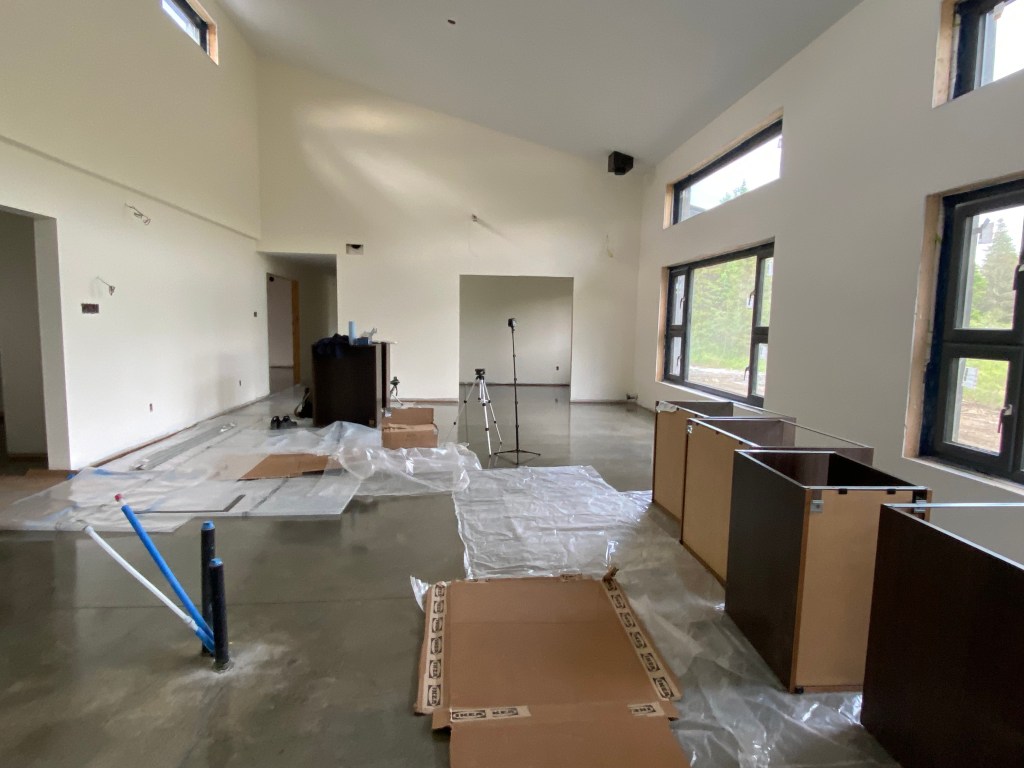
- Assembling cabinets is indeed a lot like building IKEA furniture and gives you a confidence boost starting out. Working as a team on an assembly line, we could power through them quickly.
- Returns are easy
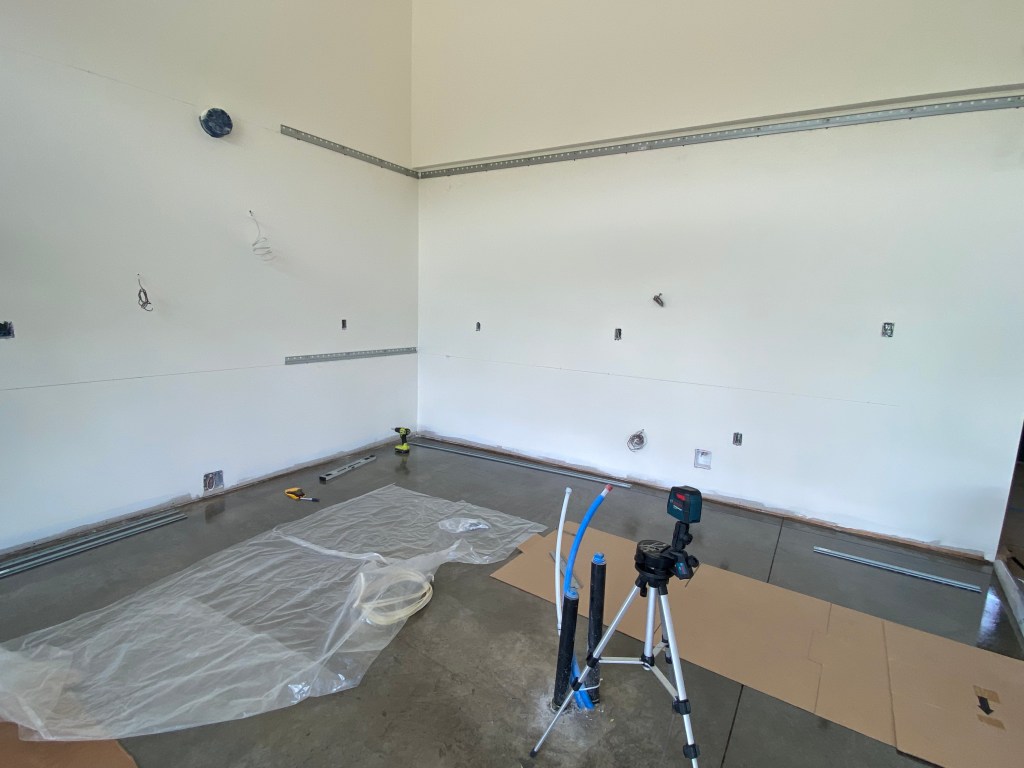
- Having pictures of all the plumbing and electrical placement pre-drywall made things a bit less dicey drilling into walls
- The hardware works well and its really nice having soft close drawers and doors
- The accessories make for functional, organized interiors
- Having all drawers on the bottom is the great and really makes everything more accessible
- We made sure we had lots of task lighting
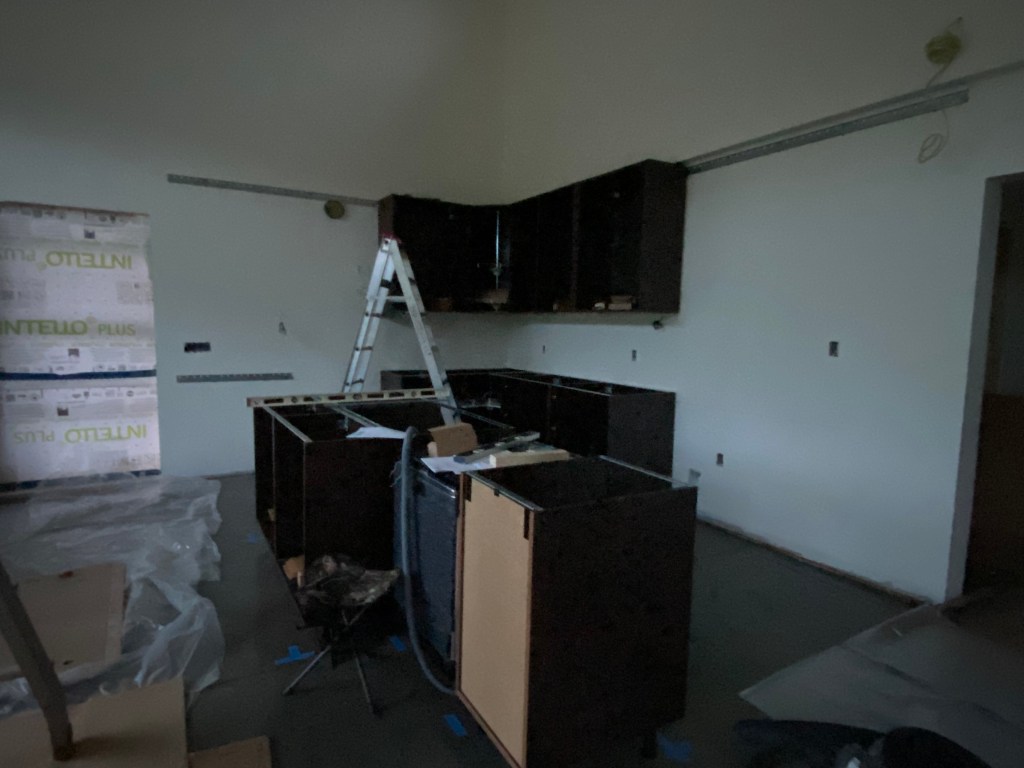
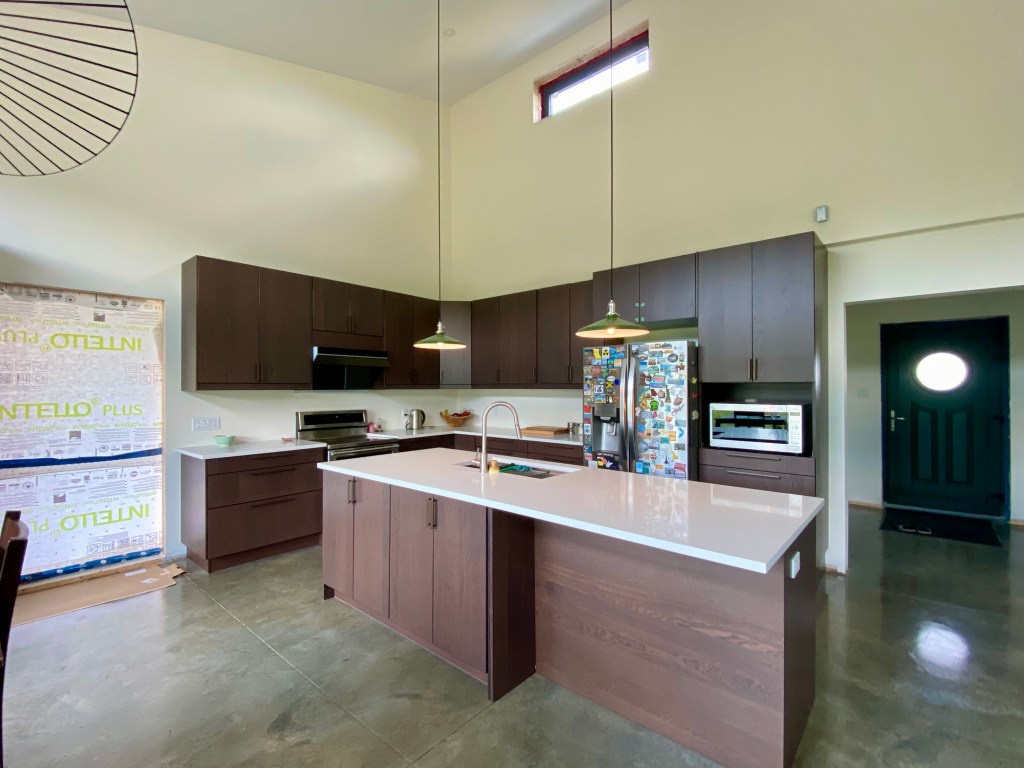
- We ended up with a lot of storage and lots of work space, which was a big wish list item for us

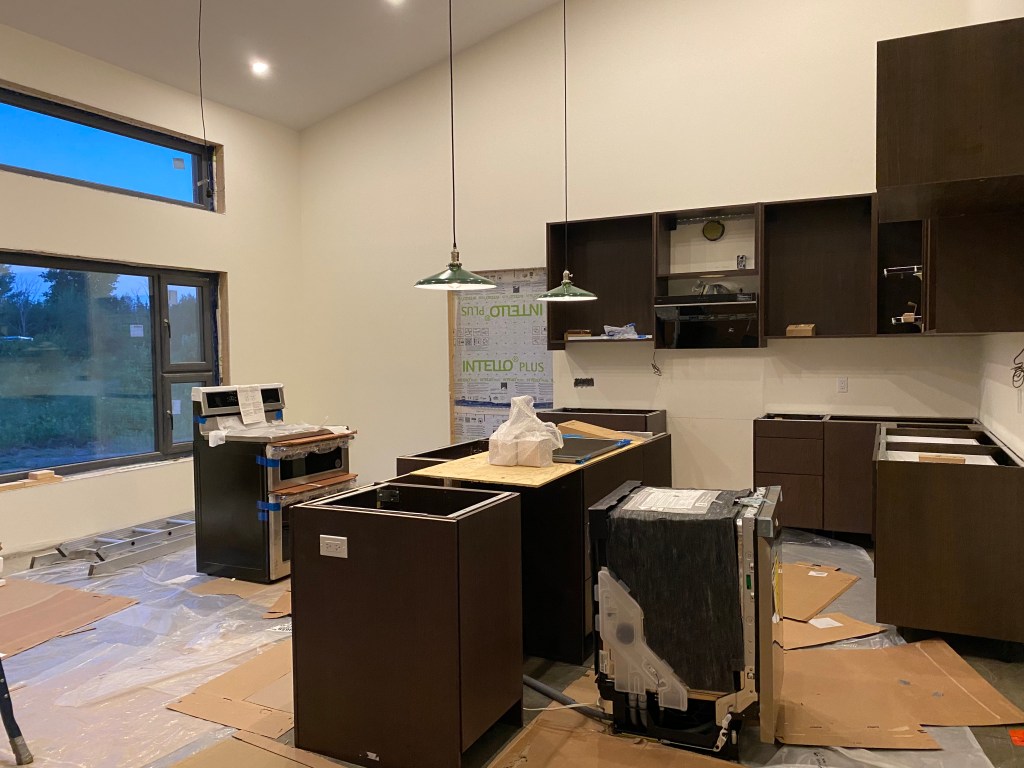
Things that didn’t go well:
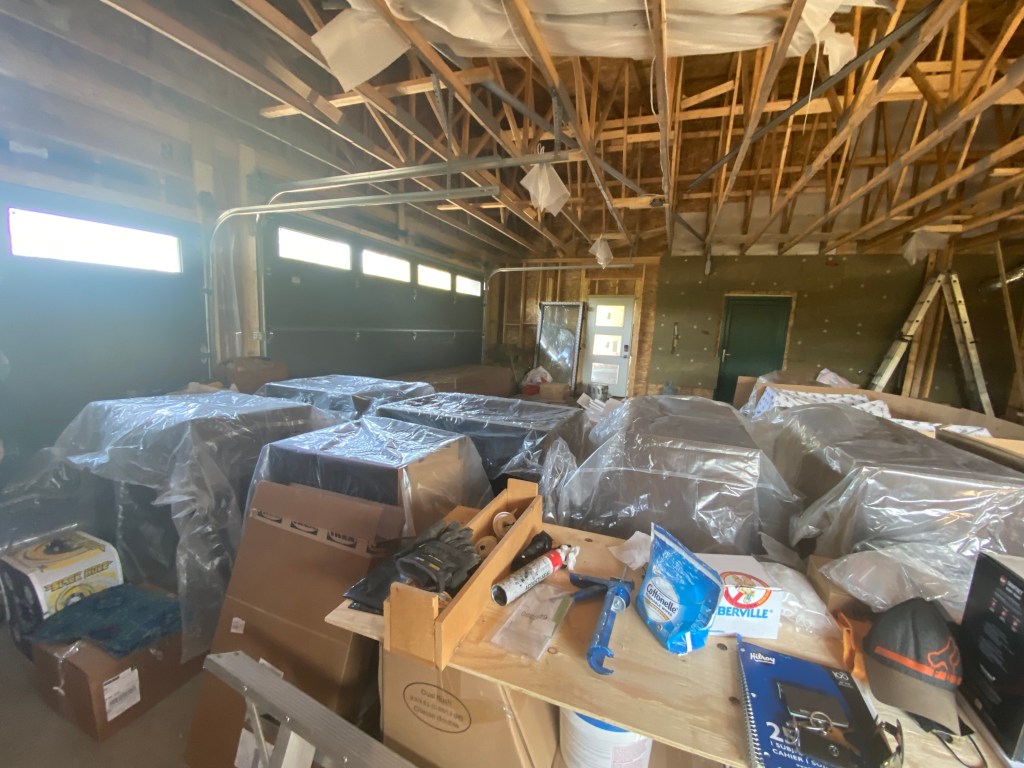
- Some of our delivery experiences were a hot mess with things arriving in a jumble and broken
- Sorting things out after delivery went awry was absolutely wonky.
- In one case, I spent a week calling daily and being assured by multiple associates that my replacement pieces were on their way and to call back the next day if I hadn’t received anything, only to find out on the 6th day that, in fact, there was no record that any replacement parts were being sent and that I should call the store for a resolution. The store then told me I was not allowed to call the store, but after some back and forth, finally sorted it out.
- Inventory seems inaccurate at best with multiple confirmed orders only being partially completed due to stock running out.
- Cover panels are sent with no instruction as to what goes where and need to be measured and cut to size on site, which is a bit more involved of a process than anticipated. In fact, despite the instructions telling you that you can do it all with a screwdriver, a hacksaw, and a bit of pluck, we made full use of a garage full of borrowed power tools and don’t know how we’d have made it through without.
- Hanging cabinets based on the IKEA system would be a cinch under ideal circumstances, however, you don’t realize just how uneven your walls and floors are until you try to install a kitchen perfectly level. Having unevenly spaced studs is also really annoying when trying to hang cabinet rails.
- Our kitchen came with enough cardboard packaging to cover our floors twice, which was great for keeping floors clean but a mess to clean up after
- The screws and nails are not the best quality and we ended up getting replacements from the hardware store for some things
We read in reference book that a few adults can install an IKEA kitchen in a weekend, which was a joke, at least for the kitchen we made. It took 10 long days of hard work (with many thanks to our helpers!) and we’re still picking away at things, with a few handles and cover panels to go, not to mention a backsplash, which we’ll get to eventually.
In the end, we’re happy with the end result. There are some things that, if you look closely, are a bit off or that we’d have done differently, but nothing we can’t live with. We were also feeling confident enough after to tackle storage for our ensuite bathroom, mudroom, laundry room, and walk in closet, which helps bring some order to the chaos of a mostly built house.




 Marlborough Forest House