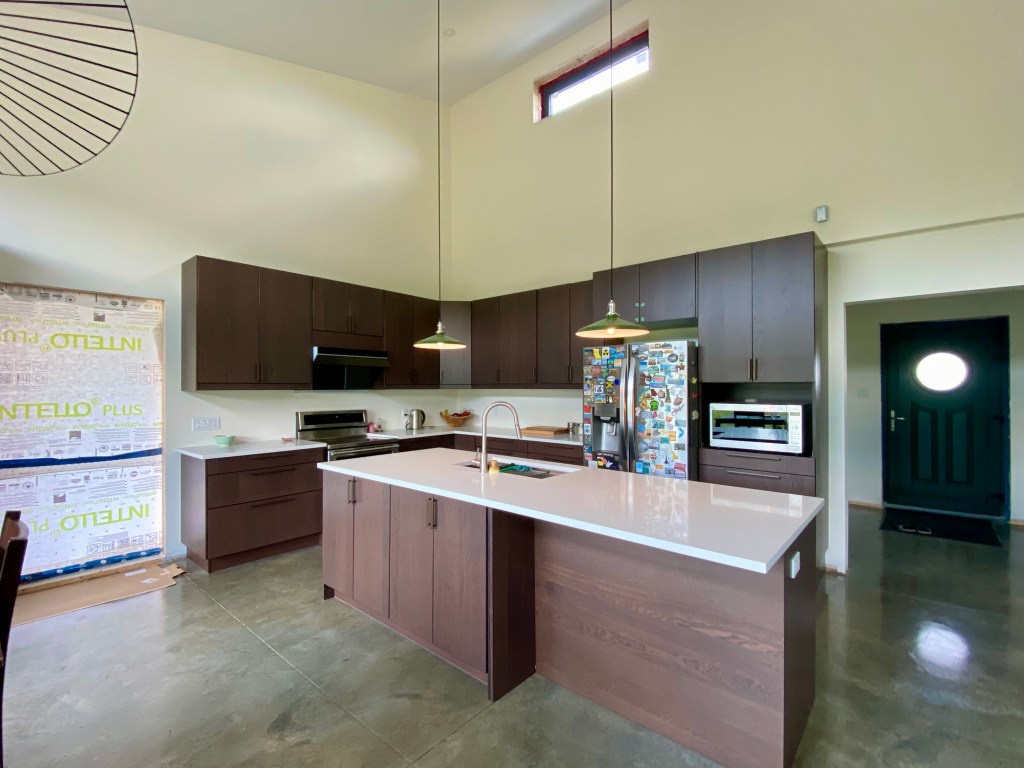
Building the Kitchen

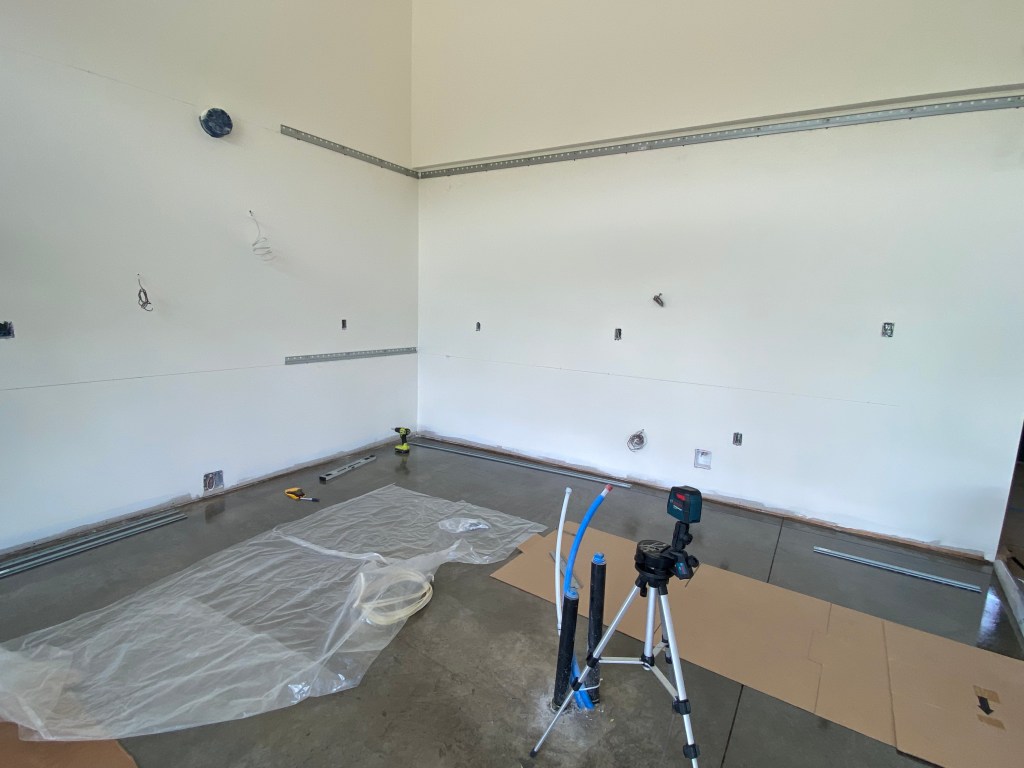
Our original plan was to install a custom kitchen, but in the end we decided to go with IKEA for a number of reasons:

  1. to save money (at least $10K less on cabinets and labour)
  2. we felt they were good value with the number of features included
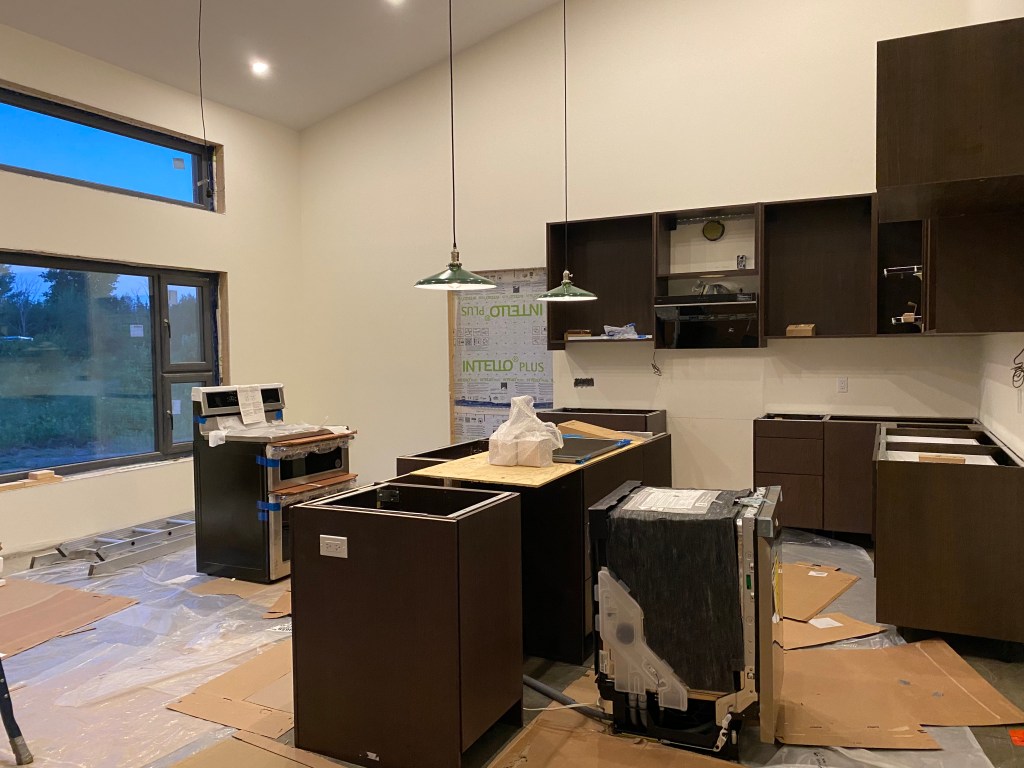
  3. our kitchen layout was relatively simple (l-shape and island)
  4. it seemed like it would be within our capabilities.

In hindsight, we were a bit over-optimistic about how straightforward things would be (and man, was it a lot of work!) but we’re glad we did it. It was not without some frustration along the way though. 
Some things that went well:

  • Designing the kitchen is fun with the online planning tool which lets you configure things how you want them
  • Once designed, you go to the store where an associate checks over your measurements and creates the order, which is a straightforward process
  • You get a plan and, after a good sorting and organizing, it’s easy to figure out which cabinets go where
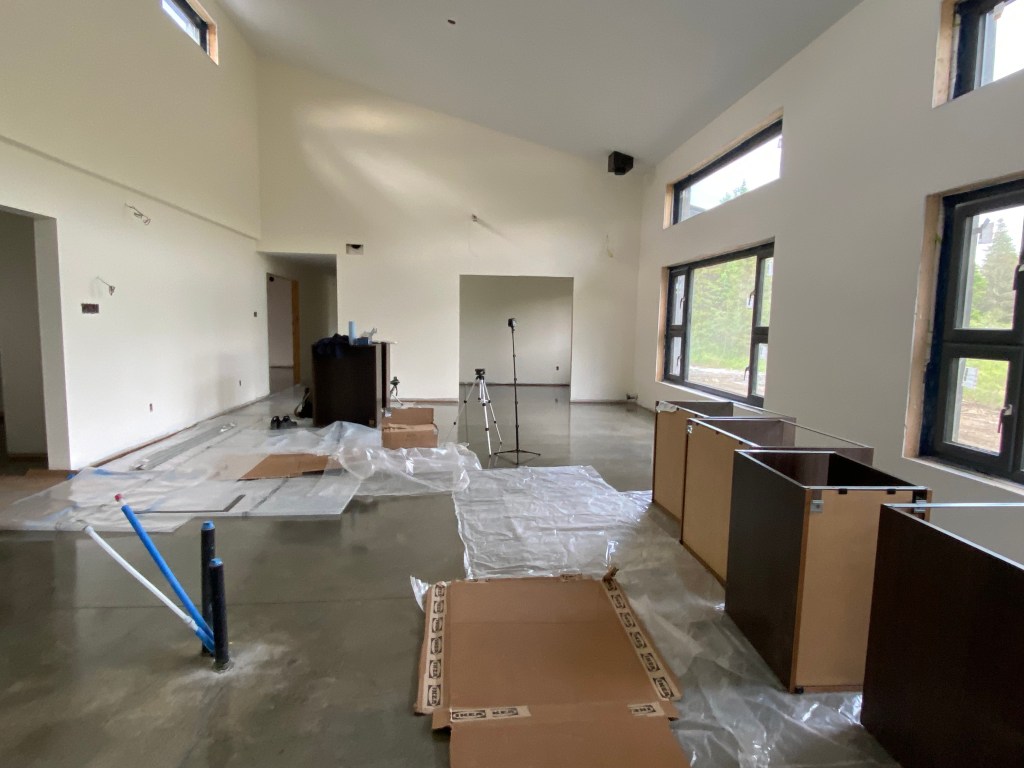
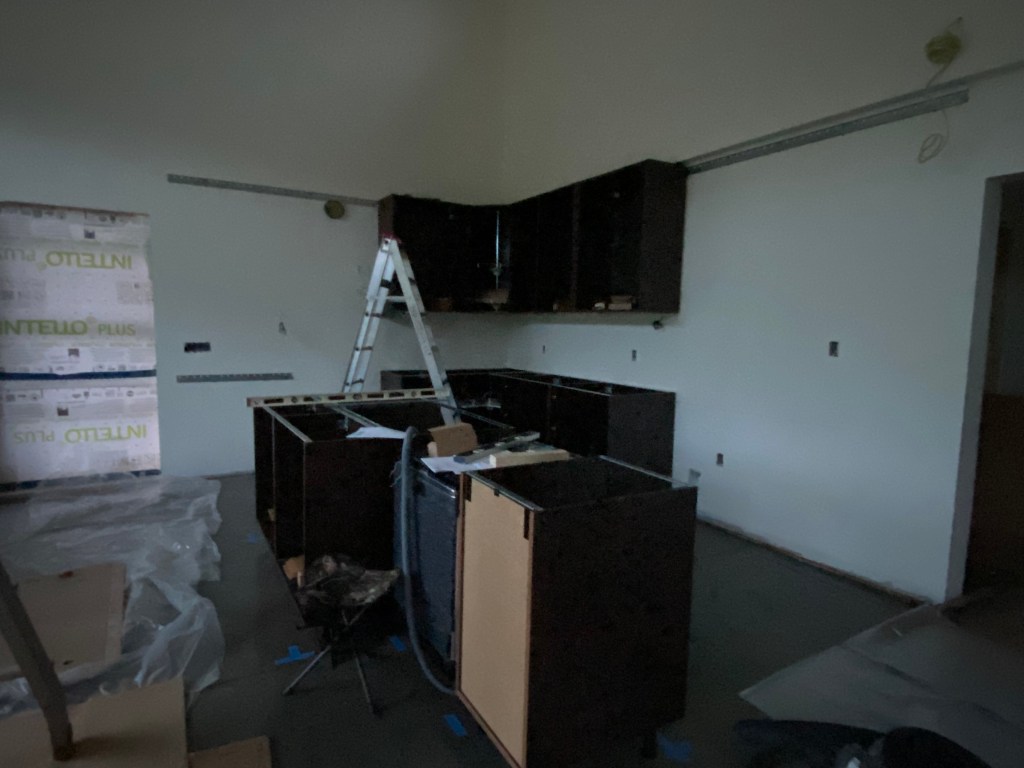
  • Assembling cabinets is indeed a lot like building IKEA furniture and gives you a confidence boost starting out. Working as a team on an assembly line, we could power through them quickly.
  • Returns are easy
  • Having pictures of all the plumbing and electrical placement pre-drywall made things a bit less dicey drilling into walls
  • The hardware works well and its really nice having soft close drawers and doors
  • The accessories make for functional, organized interiors
  • Having all drawers on the bottom is the great and really makes everything more accessible
  • We made sure we had lots of task lighting
  • We ended up with a lot of storage and lots of work space, which was a big wish list item for us
Things that didn’t go well:

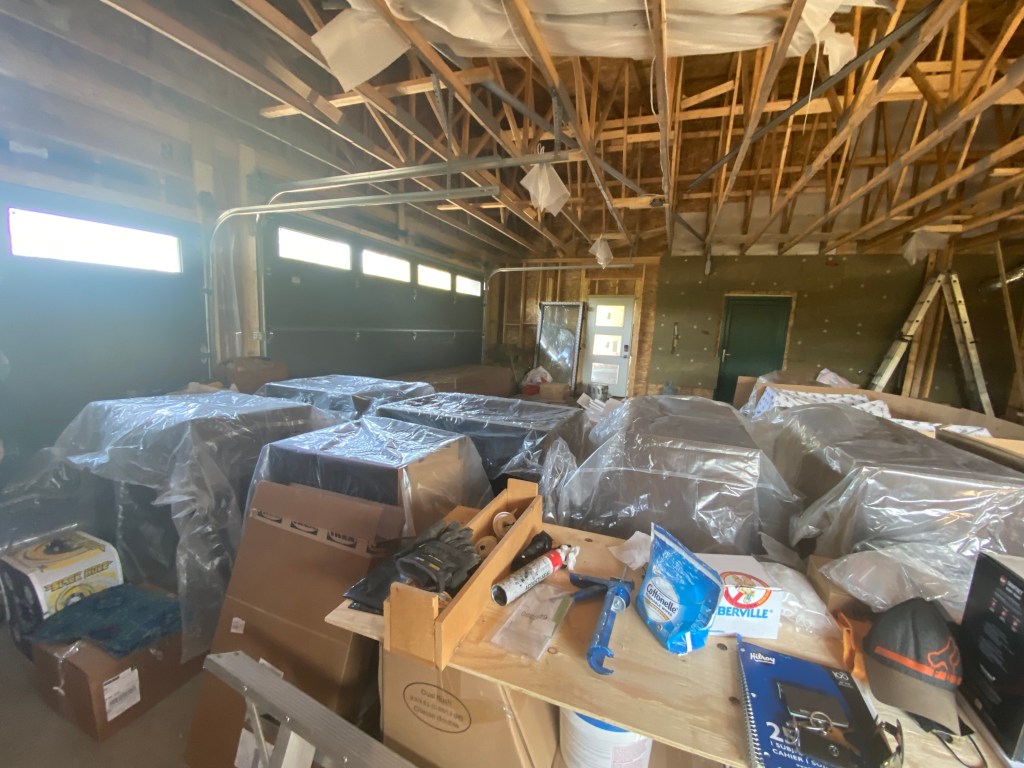
  • Some of our delivery experiences were a hot mess with things arriving in a jumble and broken
  • Sorting things out after delivery went awry was absolutely wonky.
    • In one case, I spent a week calling daily and being assured by multiple associates that my replacement pieces were on their way and to call back the next day if I hadn’t received anything, only to find out on the 6th day that, in fact, there was no record that any replacement parts were being sent and that I should call the store for a resolution. The store then told me I was not allowed to call the store, but after some back and forth, finally sorted it out.
  • Inventory seems inaccurate at best with multiple confirmed orders only being partially completed due to stock running out.
  • Cover panels are sent with no instruction as to what goes where and need to be measured and cut to size on site, which is a bit more involved of a process than anticipated. In fact, despite the instructions telling you that you can do it all with a screwdriver, a hacksaw, and a bit of pluck, we made full use of a garage full of borrowed power tools and don’t know how we’d have made it through without.
  • Hanging cabinets based on the IKEA system would be a cinch under ideal circumstances, however, you don’t realize just how uneven your walls and floors are until you try to install a kitchen perfectly level. Having unevenly spaced studs is also really annoying when trying to hang cabinet rails.
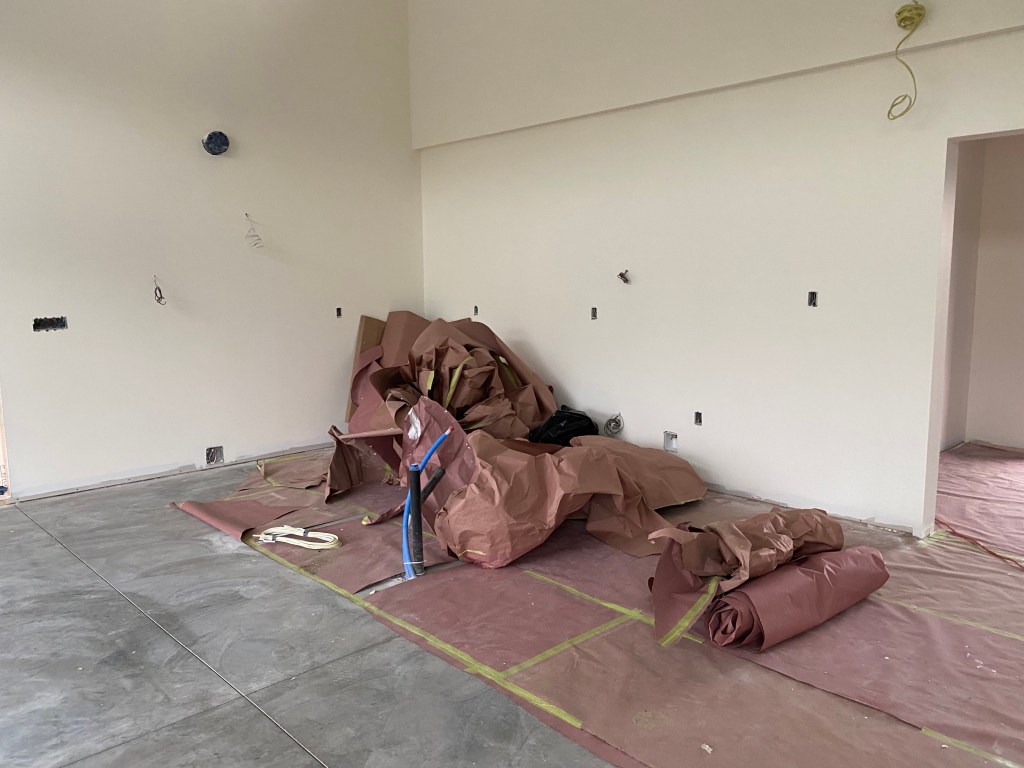
  • Our kitchen came with enough cardboard packaging to cover our floors twice, which was great for keeping floors clean but a mess to clean up after
  • The screws and nails are not the best quality and we ended up getting replacements from the hardware store for some things

We read in reference book that a few adults can install an IKEA kitchen in a weekend, which was a joke, at least for the kitchen we made. It took 10 long days of hard work (with many thanks to our helpers!) and we’re still picking away at things, with a few handles and cover panels to go, not to mention a backsplash, which we’ll get to eventually.

In the end, we’re happy with the end result. There are some things that, if you look closely, are a bit off or that we’d have done differently, but nothing we can’t live with. We were also feeling confident enough after to tackle storage for our ensuite bathroom, mudroom, laundry room, and walk in closet, which helps bring some order to the chaos of a mostly built house.

Service Hookups

We’ve been on a weeks long sprint now and things are coming together. After painting was done, we needed to get services to the house so we could get electrical, plumbing and HVAC done.  Because we’re on a rural lot, that meant that we needed a septic system for sewage disposal and a private well for drinking water. Normally these things come first in the build sequence, but we did it all backwards to complicate things (because framing the house pushed so long into the winter, we ran out of time and had to wait for spring).

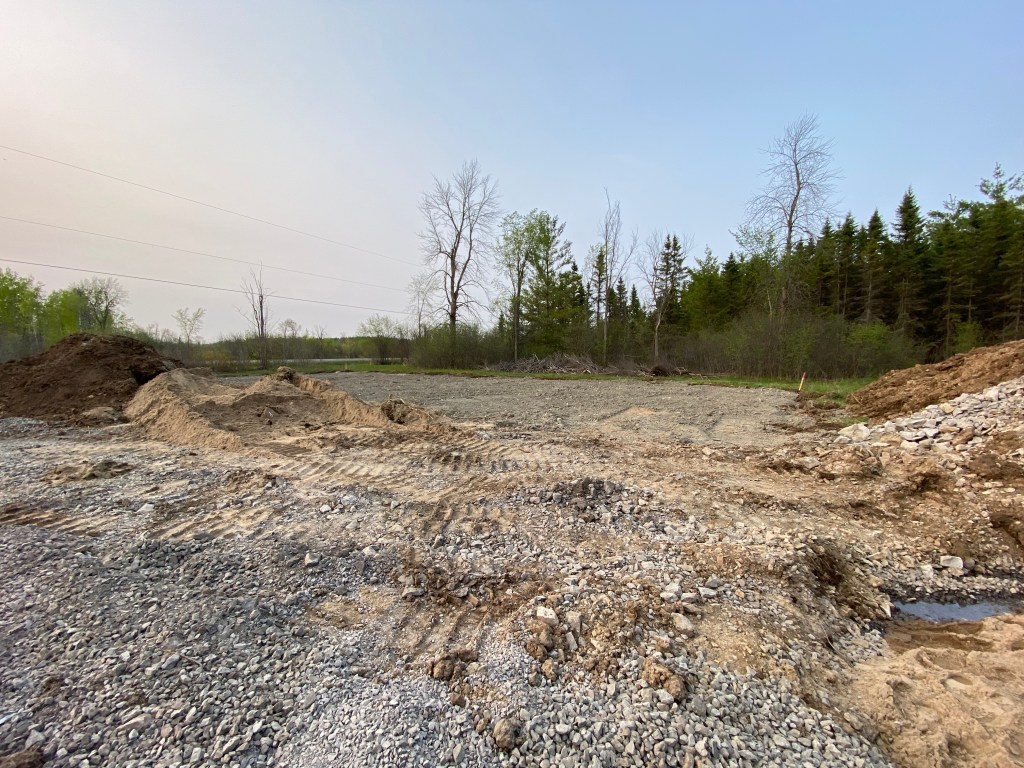
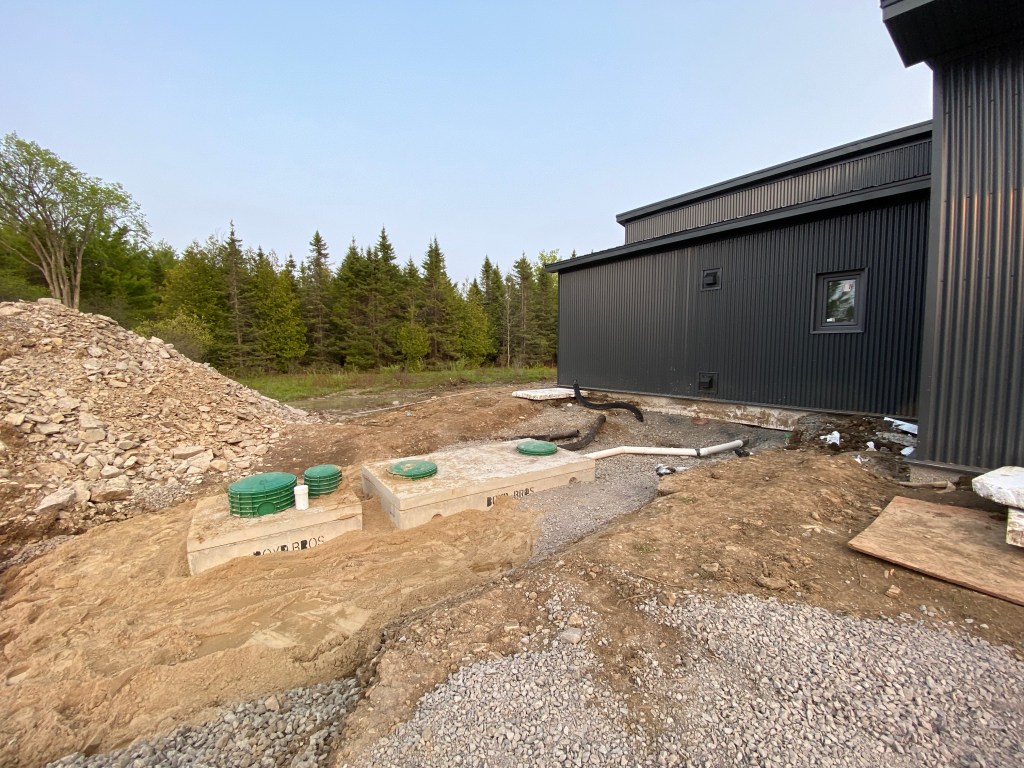
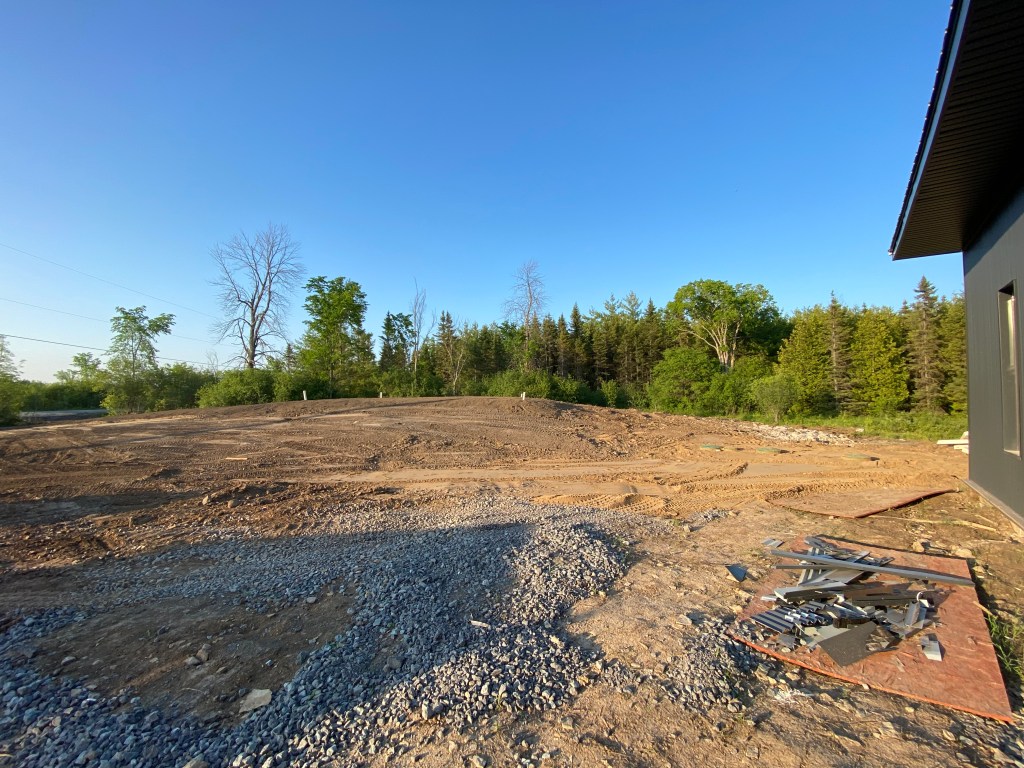
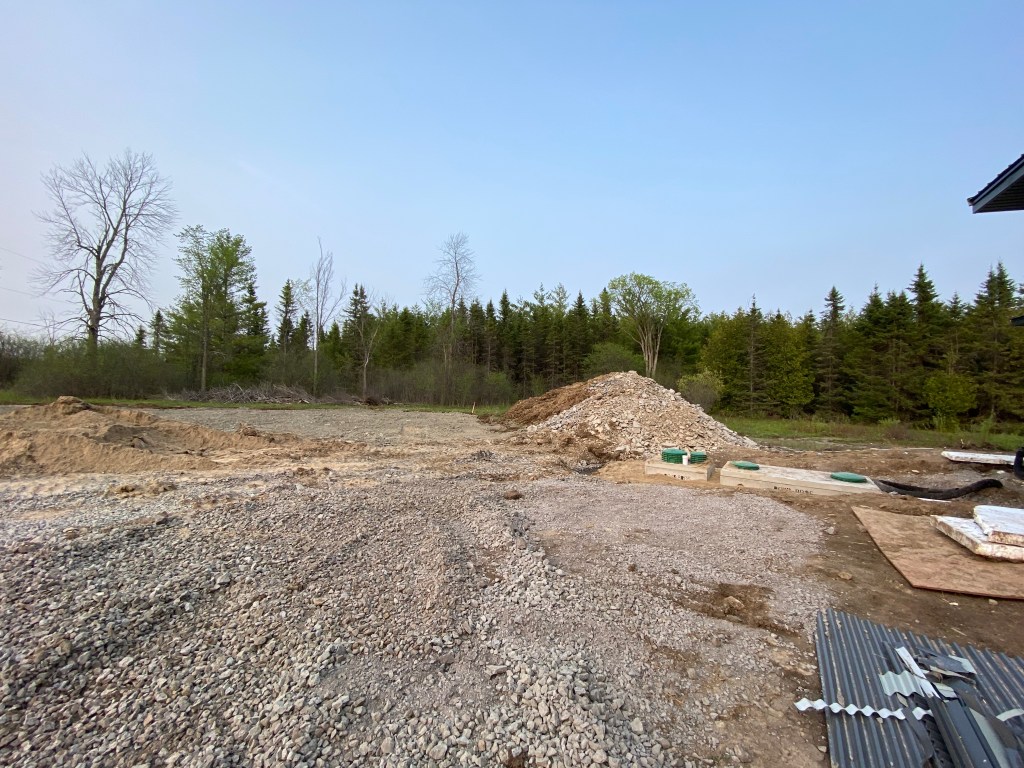
Our original plan had been to install a conventional septic system with a septic tank and leaching bed and effluent feed via gravity flow. We had to adjust course after we got a gob-smacking quote for the amount of fill that would have been needed to grade our lot to accommodate this. Our redesign adds a pump chamber and dosing pump to distribute effluent over a mounded leaching bed. This was a bit more expensive than a conventional system, and means we have a big mound on our lot, but still better than spending $100,000 on dirt in our books.

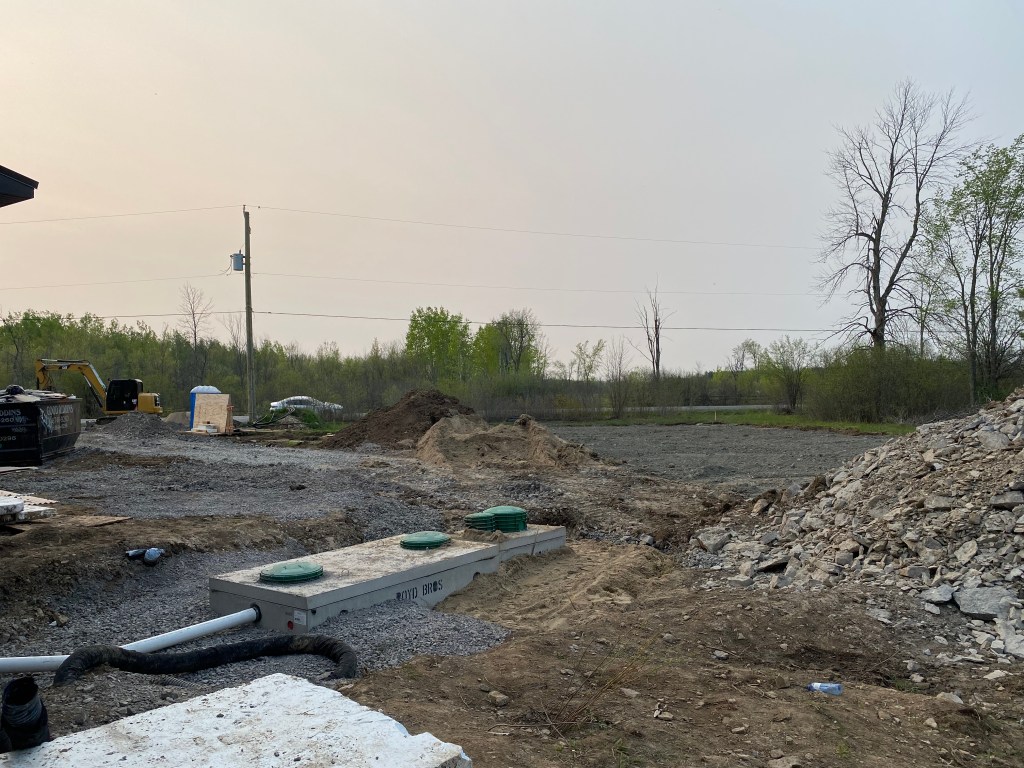
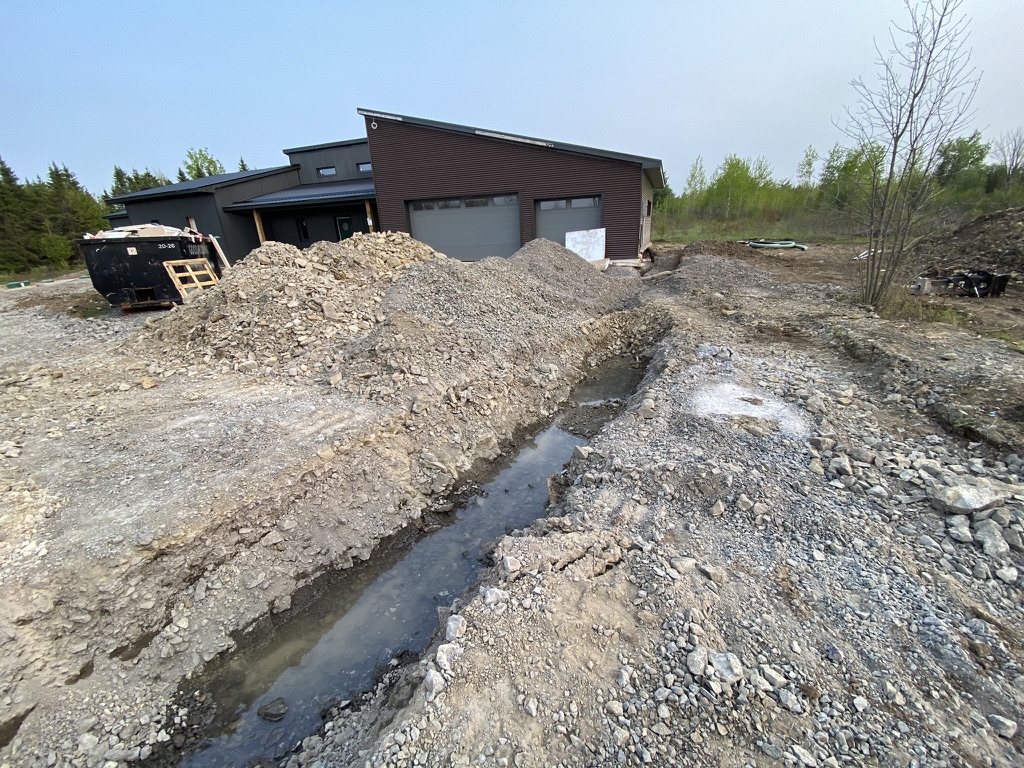
Excavation made us no friends with the neighbours as the septic installers had to hammer through bedrock to install the septic tank. Once that was done, however, things were looking like they’d wrap up quickly when our electrician popped up with bad news – Hydro Ottawa had decided that we could not run our electric hookup along the side of the driveway as planned, but rather, we would need to install a trench under the driveway and encase the cables in concrete. This, naturally, entailed even more bedrock hammering and rendered our site mostly inaccessible for other work for a month and a half while we waited for all the necessary inspections. Oddly, the hydro inspector was a bit perplexed about why we’d been required to do all this, however, we’re thankful the work got in under the wire just before Hydro Ottawa went on strike. With electricity hooked up, we could move along with everything else.

For the well, we had to wait for seasonal load restrictions to be lifted for the 80,000 lb truck to be able to come and drill. Spring is not an ideal time to drill wells, and there was some hemming and hawing about whether the ground was too soft to bring the truck in, but it was ok in the end and no one got stuck. 

The well technician found water at 140’ down with a good flow rate of 20 GPM. We needed to test the water to make sure it was safe to drink. Public Health Ontario provides free well water testing for bacterial indicators (E. coli and Total Coliforms). Our first test came back with a result of overgrown for Total Coliforms, but we discovered our contractor hadn’t disinfected anything after installing. So, we shock chlorinated the well and it’s been fine since. Though only bacterial testing is required for occupancy, we also got the water tested via a private lab for general chemical characteristics and heavy metals. Those tests told us what we’d suspected – that we have very hard water and will need a water softener to prevent scaling in our pipes and appliances – but we’re happy to know that we have good water quality overall. 

It’s much easier to work on a house with electricity and running water where you don’t need run in and out to switch a generator on and off or try to clean things with bottled water. It really helped us with our next big task: installing our kitchen.

Mudding, Sanding, Cleaning, Priming, Painting, and More Cleaning

We’re now at the point of trying to push things to an end and it’s been a busy few weeks.

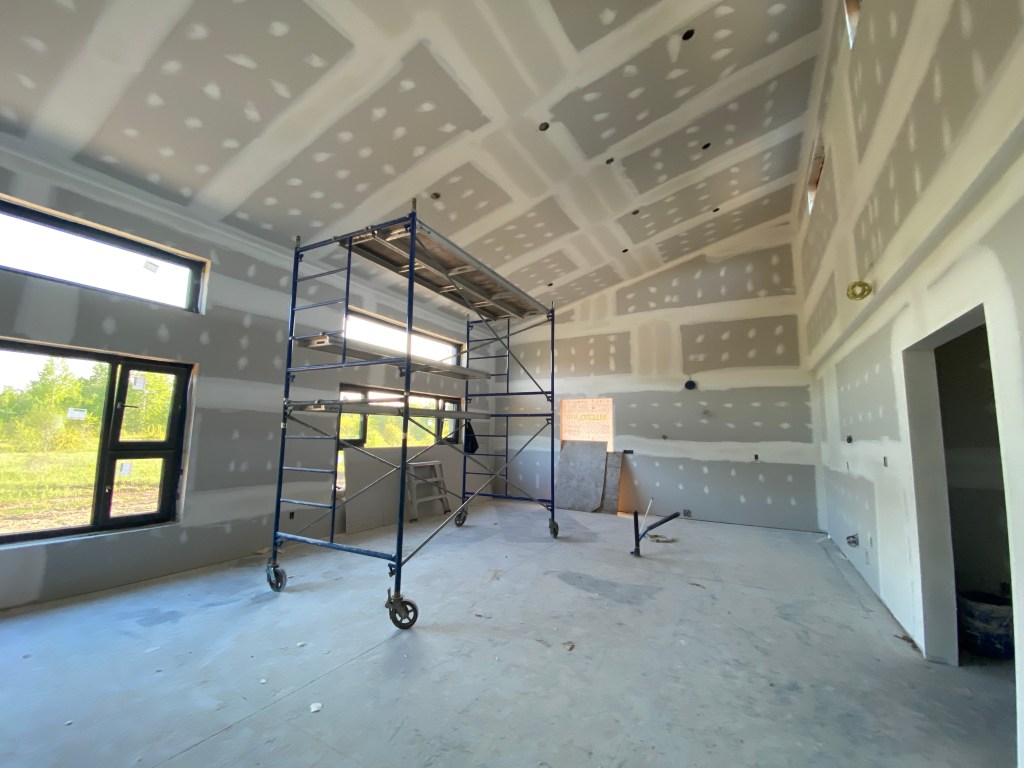
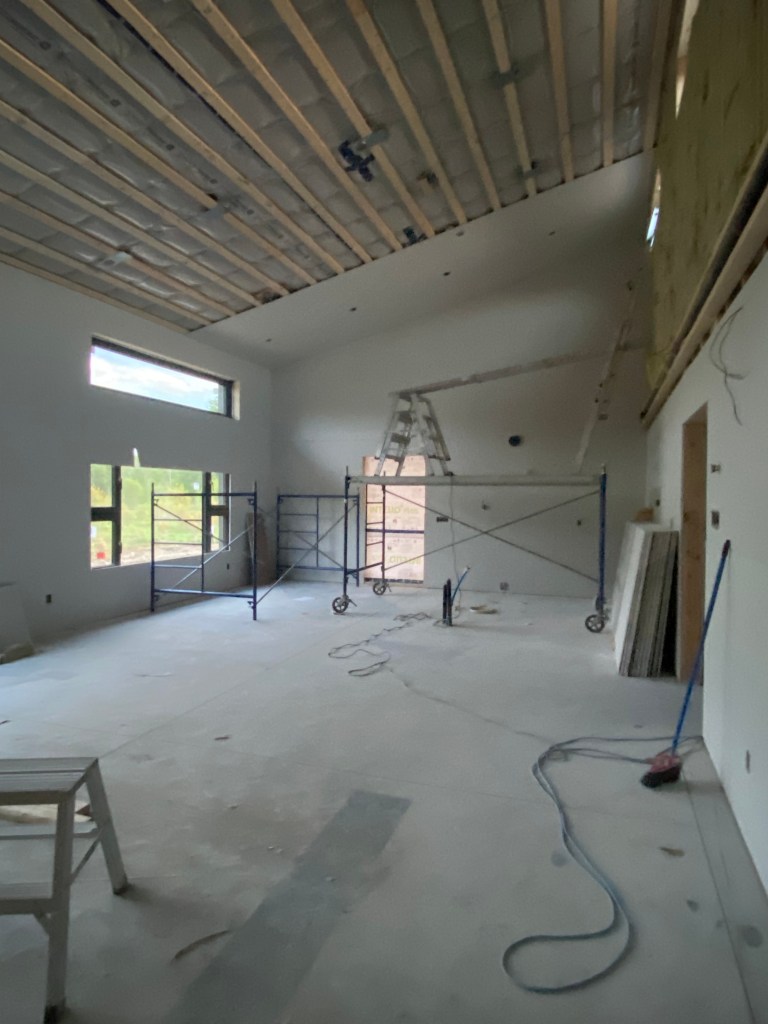
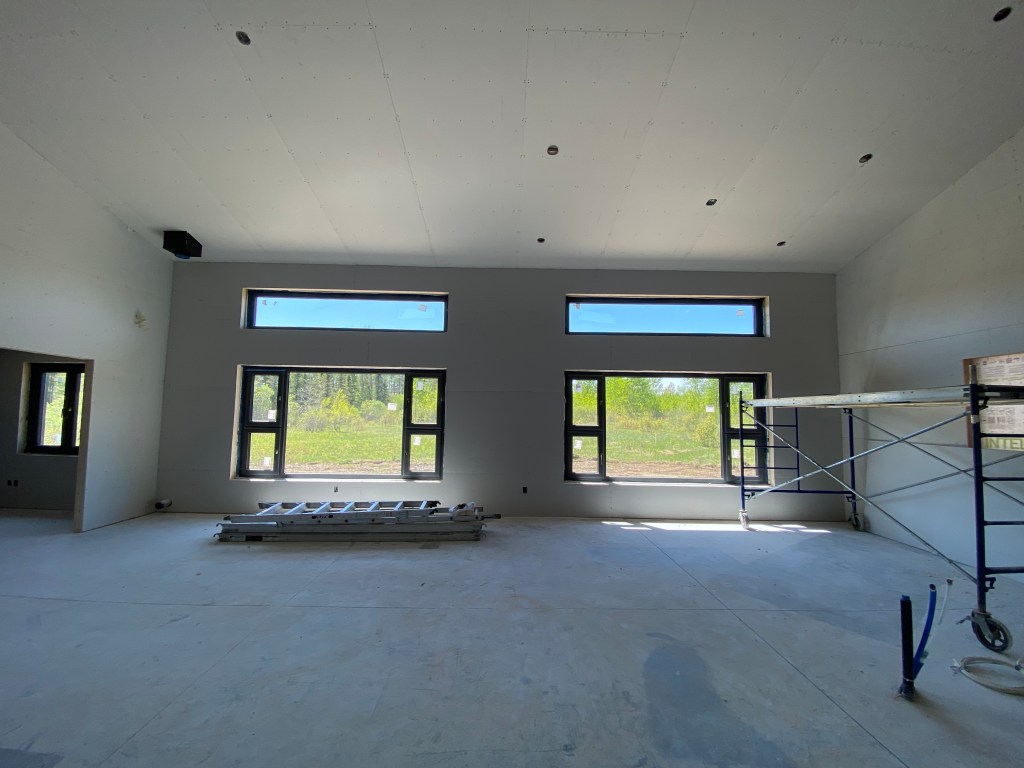
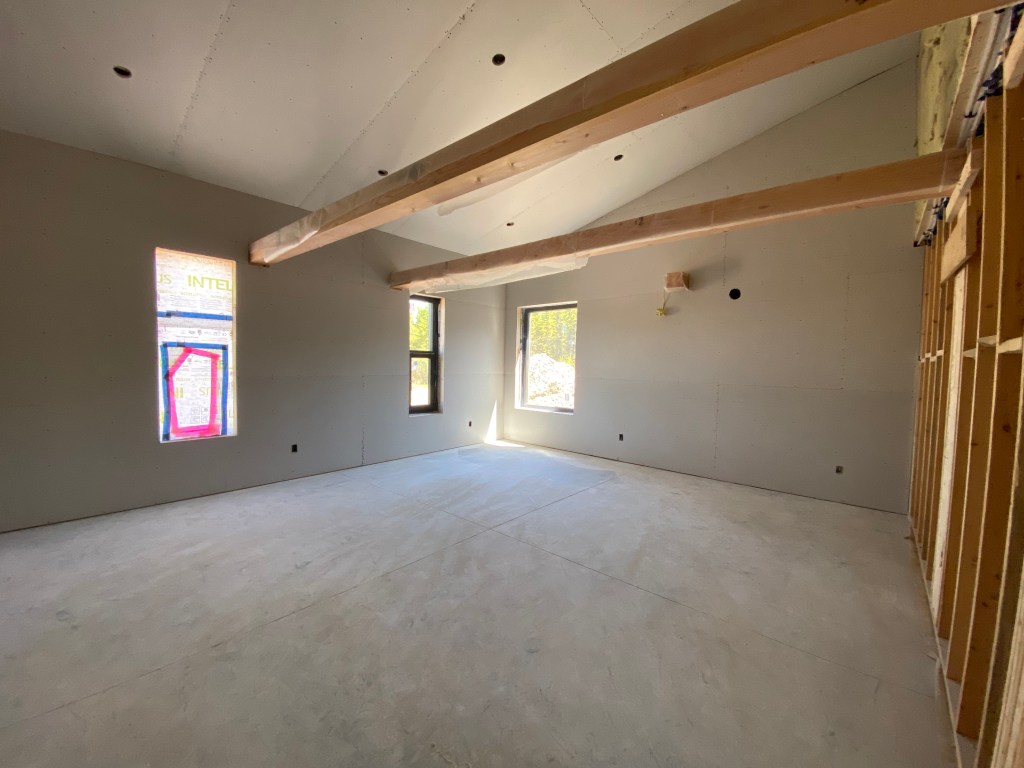
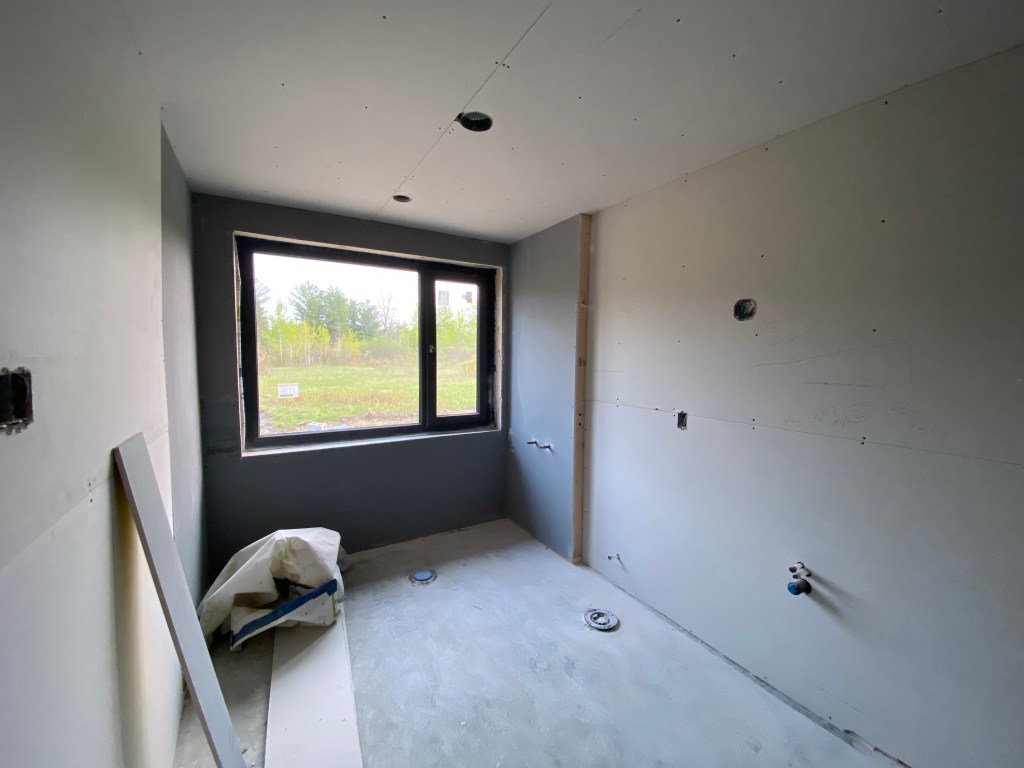
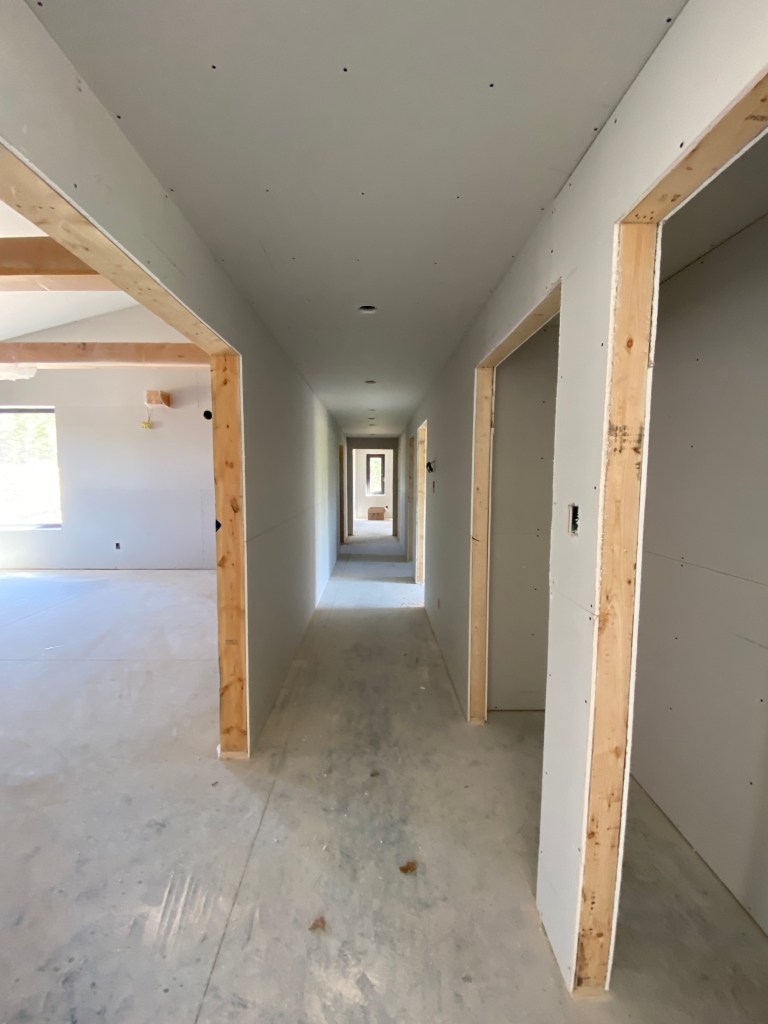
After drywall boards went up, it took a week for mudding and sanding to be completed. We got a taste of the misery that is drywalling when we tackled the garage wall that’s shared with the house, hoisting heavy boards up into the rafters and mudding the seams to create an air barrier between house and garage, as required by code. 

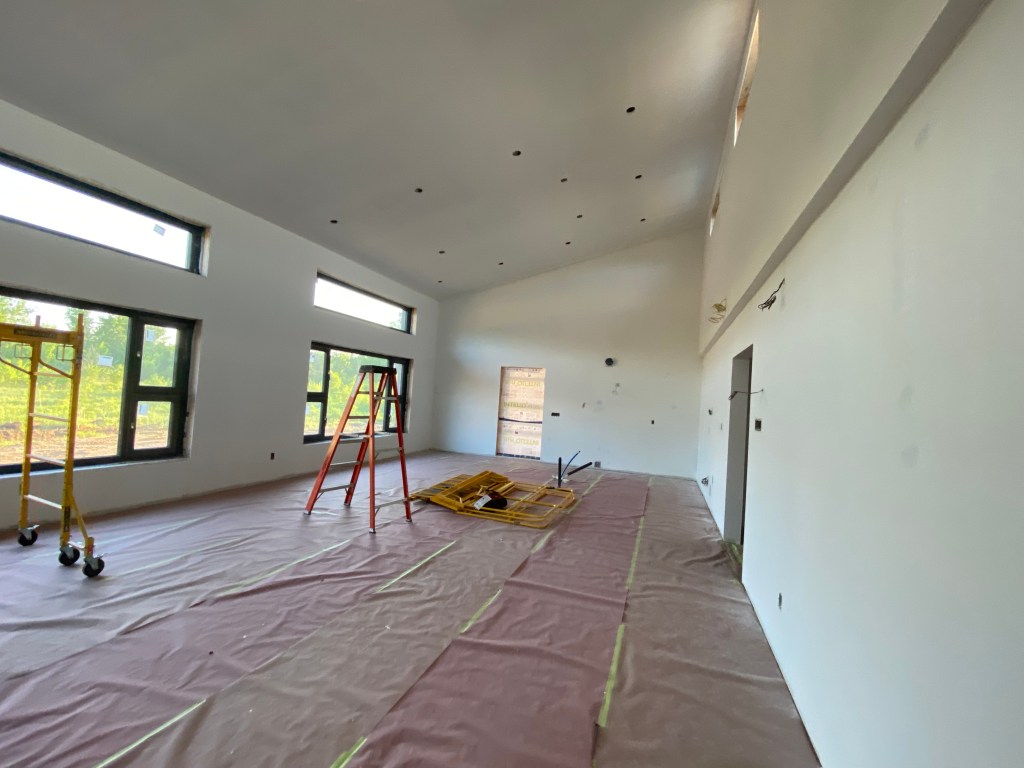
Messy work done, we fired up a generator and spent a day vacuuming up six months’ worth of dirt, construction debris, and drywall dust to clean up ahead of painting. Our floors were looking grim, but we were assured it would clean up easily after painting was done. To keep things on pace, we hired professional painters. We had strongly considered doing our own painting but decided to hire it out to save ourselves teetering about trying to cover those high ceilings. We’re glad we did as they got the house primed and coated with two coats of paint in less than a week.

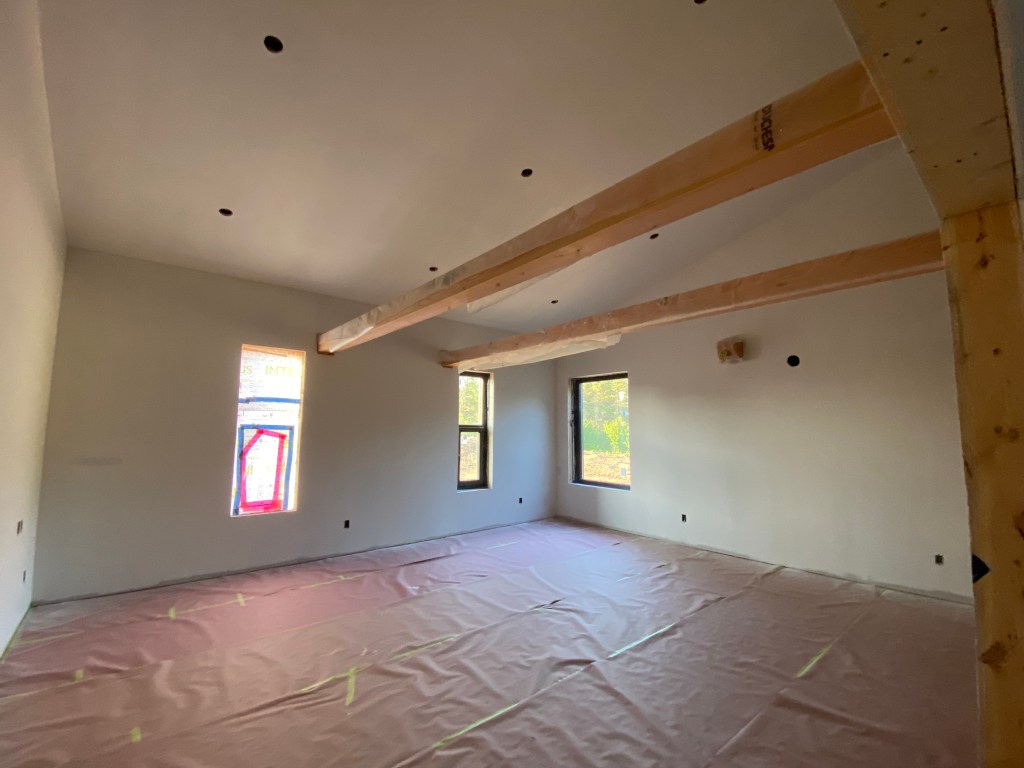
We were moving along at a good clip and looking forward to getting the floors sealed to bring them back to the shiny, polished look. First though, they needed a good cleaning. We had a short window to get this done – our concrete installer could only come on a rainy day when he couldn’t pour slabs outside. With a single day of rain in the forecast for the next few weeks, we scheduled our project manager to clean the floors the day after painting was complete and. . . it didn’t work. Determined to keep things on track, we rushed over after work and spent seven hours scrubbing and rescrubbing the floors until there was no light left in the day. We left with our fingers crossed that our efforts had paid off. Thankfully, they had and the contractor was able to seal it the next day, bringing back the shiny finish to the floors. We’ve since been diligently recovering them with our endless supply of cardboard from our kitchen cabinets, which we’ve also been hard at work installing.

We also had the shower surrounds tiled in the hall bath and the ensuite. This took several weeks of starts and stops but turned out well.

Drywall and Septic System

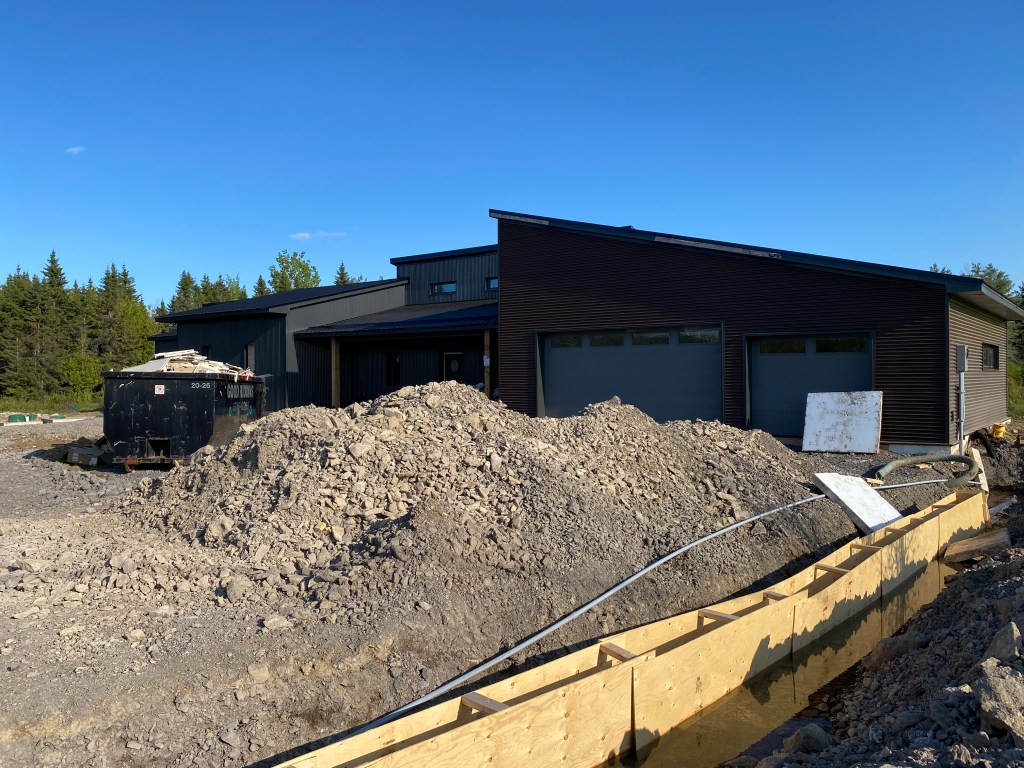
This past week the interior of our house was transformed while the surrounding terrain got torn up in a renewed burst of activity. Our drywallers were speedy and got all the boards up in the space of a week! There’s still a way to go but it’s looking less and less like a construction site. The same can’t be said about the outside, where the excavator has been pounding through bedrock to install our septic system and hydro trench.

We had originally planned to have the septic system and well installed while site was being excavated last summer/fall, however, we couldn’t make the timing work with our schedule and the limits imposed by our construction mortgage. We found that the bank’s appraisers use a template to assess progress that is based on a typical urban house where service connections involve a simple tie in to City services. What they don’t consider is that installation of a septic system and well in a rural area is more complicated, awarding them few percentage points towards the overall completion rate, despite being some of the bigger ticket items. The City of Ottawa also imposes seasonal load restrictions on roads during the spring thaw, so we had to wait for those to be lifted before the heavy equipment could be brought in to complete the work.

Getting our hydro hookup has similarly not been straightforward. Our electrician originally thought our property was under Hydro One jurisdiction, even though we’re in Ottawa, and applied for approval back in the fall (determining jurisdiction is apparently not as straightforward as geographic boundaries nor, oddly, something either company can over the phone). After making it to the front of the queue, he learned that our property was under Hydro Ottawa after all and had to start over. Then there was a long wait to get a new pole installed, followed by a long wait for confirmation of whether we’d be charged for the new pole (we weren’t) and then back and forth over whether we could run the hydro line around or driveway (which would be less costly) or would have to go under. Hydro Ottawa decided it had to go under the driveway and would need to be encased in concrete. We’re now waiting for a series of inspections and keeping our fingers crossed that the driveway can be put back together by end of week so the septic installation can wrap up.

Our tasks for ourselves for the coming weeks are to insulate and drywall the garage wall that’s shared with the house, select paint colours and tile, and beginning assembling our kitchen cabinets, which we plan to install ourselves.

Blower Door Test and Last Layer of Insulation

In addition to being highly insulated, our house is meant to be very airtight to prevent heat from escaping. To achieve this, any gaps or openings need to be filled to prevent air leakage. With rough ins mostly done, we needed a blower test to gauge how well it had been sealed. With this test, a big fan is attached to a door to move air through the house while measuring the rate at which indoor air is replaced by outdoor air via any unfilled holes. The lower the score, measured in air changes per hour (ACH), the more airtight the house is.

On the first test, the house scored 1.6 ACH. While a typical new home would have a score around 3 ACH, for our purposes, this was a fail. And the testing team was stumped, unable to find the source of the leak. They suspected air was passing beneath the wall studs. The energy auditor suggested we try Aerobarrier, an acrylic sealant product that is sprayed as a fog inside the house to seal any gaps. This got the blower door test down to 0.19 ACH, though it made our floors very sticky – we’re hoping this washes off easily. Our final pre-drywall test this week was 0.57 ACH. We’ll have one more test after drywall is done.

With the blower door test done, we were able to get to work adding the final layer of insulation in the service wall. We did that work ourselves. Installing the Rockwool was straightforward, though we were disappointed to find that many of the studs in the service wall were not spaced at 16 inches on center, necessitating a lot of cutting of batts. It was dusty, itchy work, but satisfying in the end. With the temperature swings in recent weeks, it’s neat to feel how well the house is holding its heat. It has felt noticeably warm on cold days and cool during a short hot spell. 

With spring here, we’re racing against nature to get the house sealed up again. A pair of mourning doves has been trying to move into our attic via an open access and nest in the porch, presumably to establish squatters’ rights before we gain occupancy. They fly over to roost on the roof as soon as they see us pack up the car, taunting us from their perch. We hung plastic, over the porch but they were persistent and pushed through, so we went back with a sturdy tarp and some old shower curtains, which seems to be holding them back for now.

The exterior wrap of our house is nearly done. The siding installers still need to finish up the garage and house walls inside the screened in porch. We went with corrugated metal siding and are happy with the look. It cost more than vinyl but much less than fiber cement or wood. We were attracted by the durability, longevity, and minimal maintenance required.

This week, we’re pushing to have the electrician wrap up so the drywallers can start. We’re also mapping out the next few weeks and scoping what other work we’ll do ourselves to get us to the finish line by July 1.

Rough-ins

The past several weeks have thrummed along with good progress. It was exciting to see so much activity on site with several trades working concurrently. Work done over the past few weeks includes:

  • Interior walls and service walls built, framing finished
  • Exterior insulation installed
  • Exterior wrap started, including soffits, fascia, window capping
  • Garage doors installed
  • Plumbing rough-in
  • Electrical walk-through and rough-in
  • HVAC rough-in
  • Chimney and air intake rough-in for woodstove
  • Ceiling insulation installed

Our house was recently assessed at 61 percent complete – finally more done than there is left to do (in theory at least)! We’re getting to the point where we can start tackling some of the work ourselves. First task will be installing the final layer of insulation in the service walls before the drywallers come at the end of April.

The service wall consists of 2×4 studs along the exterior walls and 2×2 furring strips on the ceiling. All the electrical and plumbing are meant to run through the service wall so that there’s a continuous layer of insulation to the outside. We’ll be adding R-14 Rockwool insulation batts to the 2×4 walls for our final layer of insulation, bringing the walls to R-48. The ceiling had 22 inches of cellulose insulation blown in with an R-value of 77.

Prior to the electrical rough-in, our electrician drew a draft plan of where he thoughts light fixtures, switches and outlets would go, we then made edits and did a walk through to confirm placement and types of fixtures, making sure things like switches weren’t placed behind doors or furniture. Unfortunately, when it came to the rough-in, something got lost in communication and the electricians who carried out the work ran wires through the attic, poking holes in the vapour barrier rather than running along the service wall on the ceiling, so that had to get patched and sealed. The electrician has also had some back and forth with Hydro Ottawa, trying to convince them to allow the service line for the electrical hookup to skirt around the driveway rather than cross it, as crossing under the driveway will require encasing the line in concrete ($$$). That plan was rejected, however, so we’ll have to have concrete poured. On the plus side, a new hydro pole was finally installed and the culvert was unblocked after several calls from our project manager. Because we only needed one pole, which is located in the right of way, we didn’t have to pay for the replacement. It came in the nick of time too, as a recent ice storm brought down several trees and hydro lines throughout the area.

This week, we should receive our first blower door test to determine how airtight the house is, along with final framing inspection so we can get to work on insulation and get things cleaned up for the drywallers. We’re also working our way through a long shopping list, getting things like bathroom fixtures, vanities and cabinets bought so they’re ready to go when we need them.

Navigating Construction Loans

Work has plodded along between several heavy snows over the past few weeks. The roof is finished, though I’ve had only fleeting glimpses of it under all the snow.

We also have most of our windows and doors installed now, with the exception of two replacements being shipped from Ireland and those for the garage, the latter of which should arrive soon. Car doors for the garage were supposed to be installed this week too, but there was a strange mishap with the installation technician – a whole thread I’m still trying to unravel.

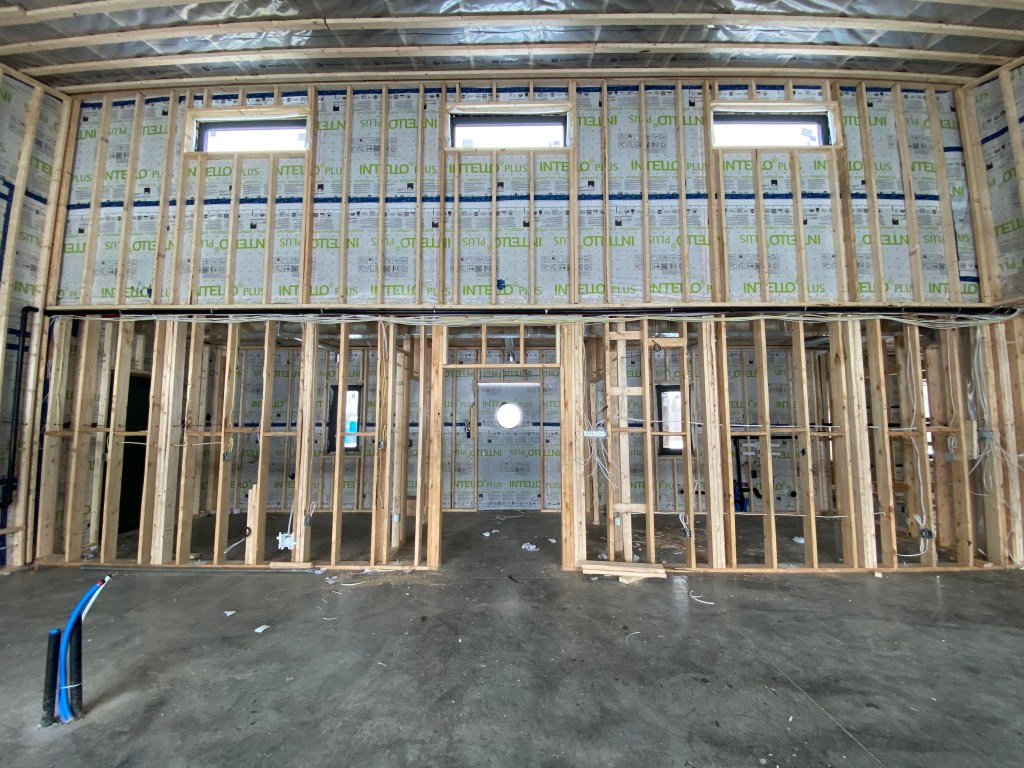
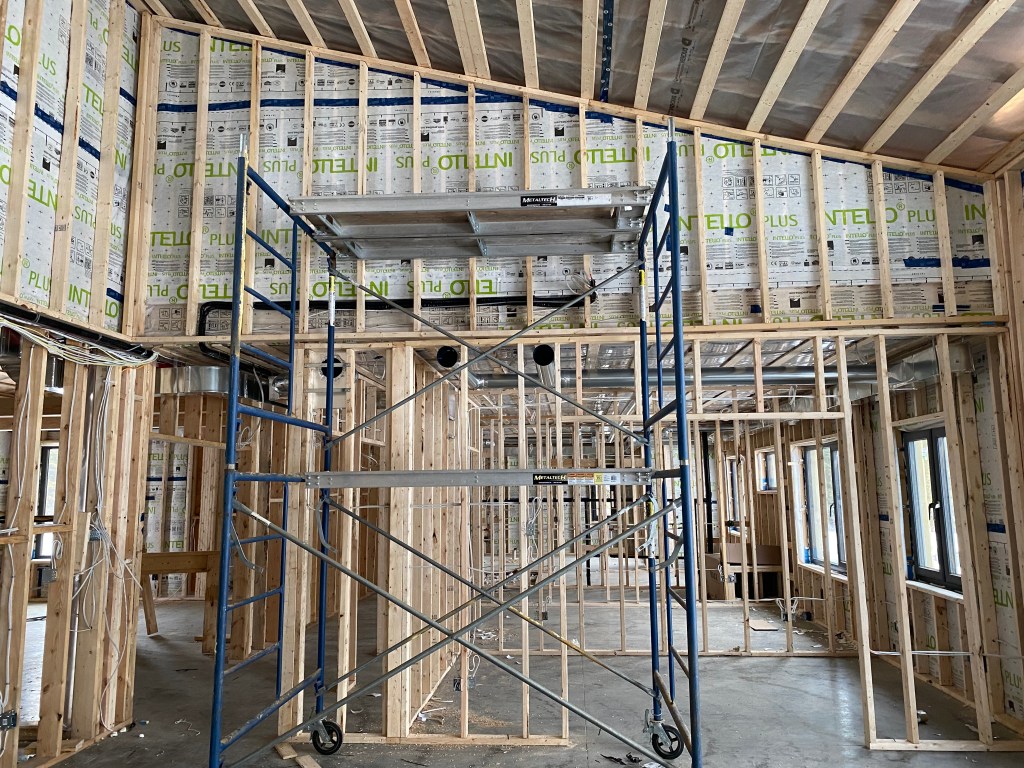
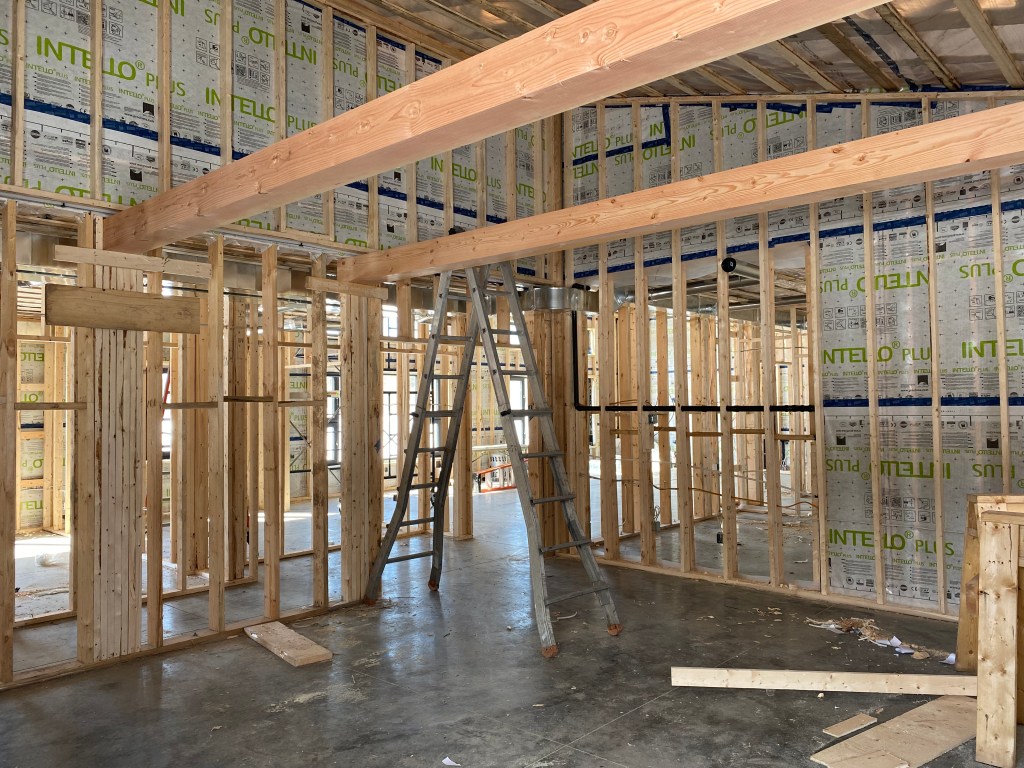
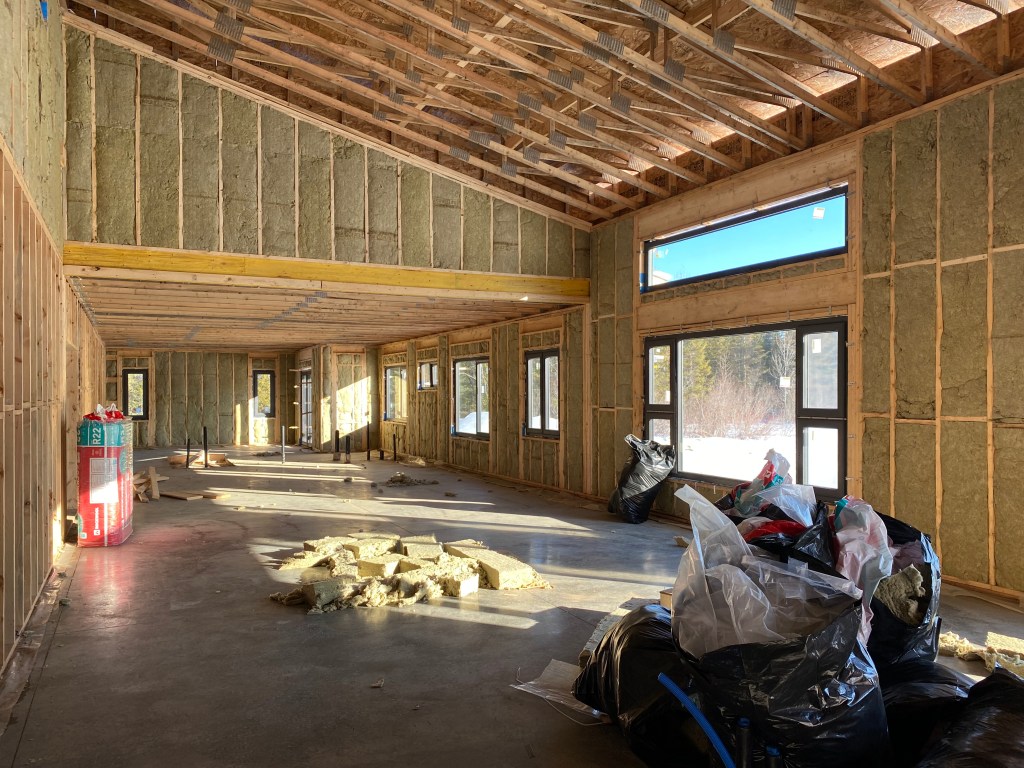
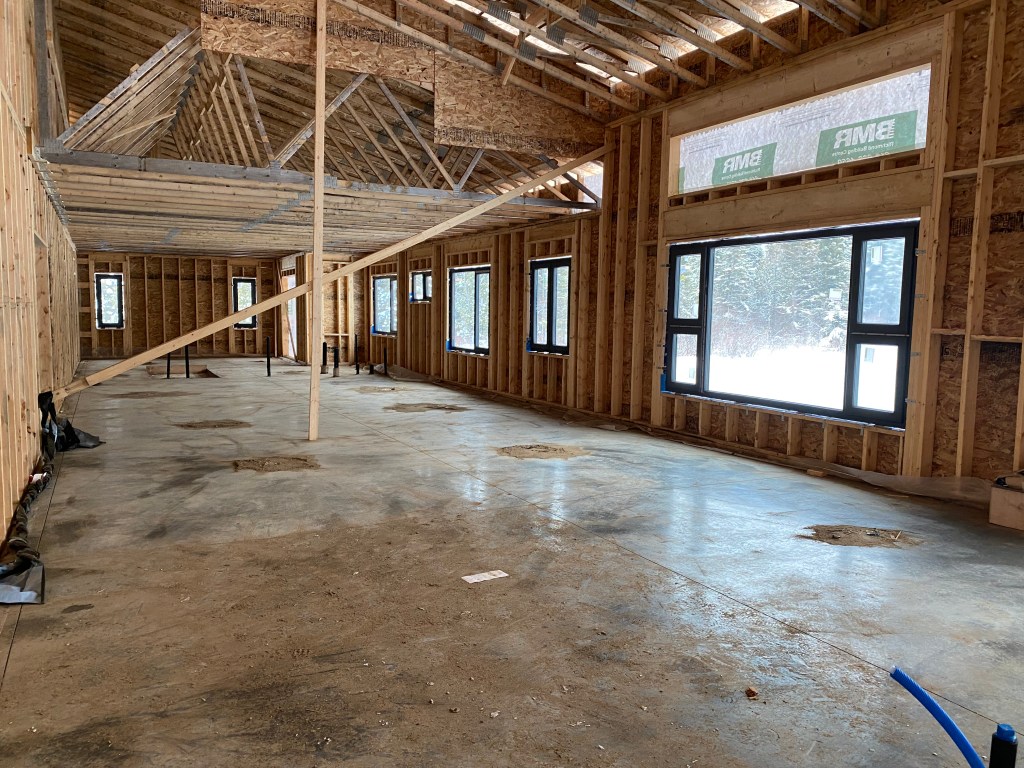
Work has been underway to insulate the interior. R-22 Rockwool batts are in place in most of the exterior 2×6 walls. Spray foam insulation should be going into the roof this week. Everything gets sealed with an Intello Plus air/vapour barrier that will help keep conditioned air inside. The vapour barrier promotes drying of the wall outward in the winter (by keeping comparatively more humid indoor air inside) and drying inward in the summer (by keeping more humid outdoor air outside) and creates an airtight seal. That seal, along with the thick insulation makes the house like a vacuum thermos that will retain heat for long periods.

Once insulation is complete, the framers will be back to finish up framing, including building the 2×4 service wall along the exterior walls, and the interior walls between rooms. Once that’s done, we need to orchestrate several components to come together within a short space of time to get us to our next construction milestone, including more insulation, as well as electrical, plumbing, and HVAC rough-ins.

One of the challenges of building a home has been working within the confines of a construction mortgage. This became evident from the get-go with a number of hurdles to overcome.

First hurdle was the reluctance of banks to offer this type of loan. Early in the project, we called around to a few different banks, often getting different information, depending on who we talked to and coming away with the sense that most lenders didn’t offer construction mortgages at all. At one point, we considered going with a private lender. Despite the higher interest rate, this would have provided a good deal of flexibility, which comes in handy with a big project. In the end, after enough calls, we got through to the right people at two big banks. Bank one wanted quotes from every subtrade as part of the application, a task that proved nearly impossible. Bank two had a more straightforward process, similar to a conventional mortgage application – demonstrate income, show proof of down payment, show project cost estimate. Needless to say, we went with bank two, where we were also lucky to lock in a low interest rate that will carry over after we convert the construction loan to a conventional mortgage when the house is done.

Next hurdle, one that we’re currently puzzling out, is navigating the structure of the construction loan. With the loan, the bank releases money in stages, corresponding to the assessed value of the property at different milestones. This unfortunately does not always correspond with the cost of different line items. Compounding the problem is that a few assumptions go into the assessment, such as a) that it is a conventional build (i.e., less value ascribed to things like building envelope) and b) that it is on a serviced city lot (i.e., no expensive septic system or well to install). The assessor is independent of the bank and works off a standard template. They tend to make assessments based on what they know and are familiar with. What this means for us is that we have to carefully plan out how to meet each milestone, and work to help the assessor understand our project. And so, we’re plotting and talking, and progressing bit by bit. 

On a sidebar note, another little challenge to keep life interesting comes to us from Hydro Ottawa, who hired a contractor to dig a hole for a new hydro pole. Said contractor deposited all the dirt from said hole into the ditch, completely burying our culvert and blocking the ditch with the spring melt just around the corner.

Our tips for finding a construction mortgage

  1. Be organized, you’ll need to be ready for or in the process of applying for permits. The bank will want your final design and costed build estimate, along with proof of down payment, proof of land ownership, assessed value of the land, proof of income and assets. Some banks may also ask for quotes from sub-trades.
  2. Start local. We had better luck calling up local banks than going through online forms.
  3. Be persistent. Sometimes you just need to find the right person who is familiar with the process to get the information you need.

Closing Out the Outdoors

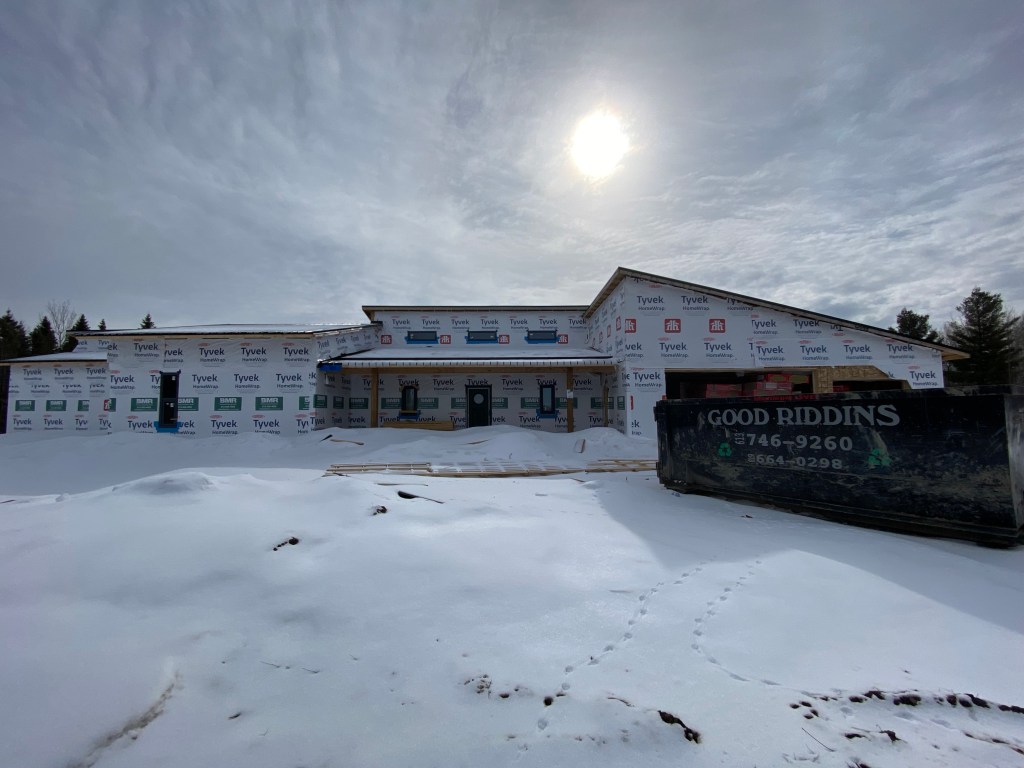
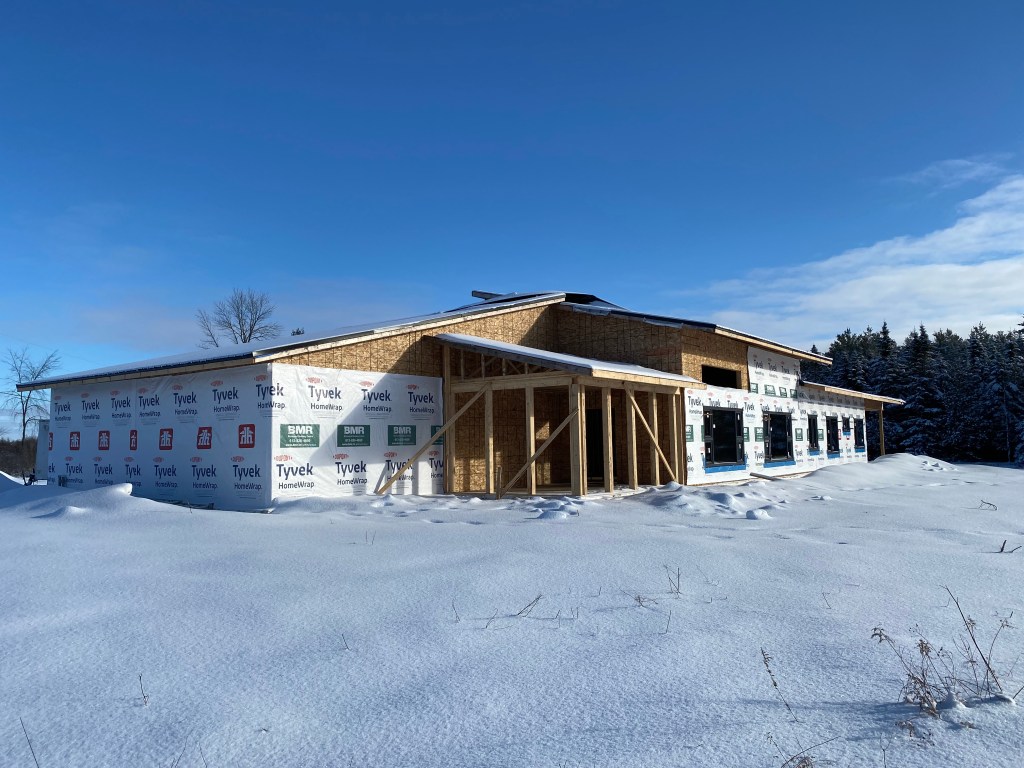
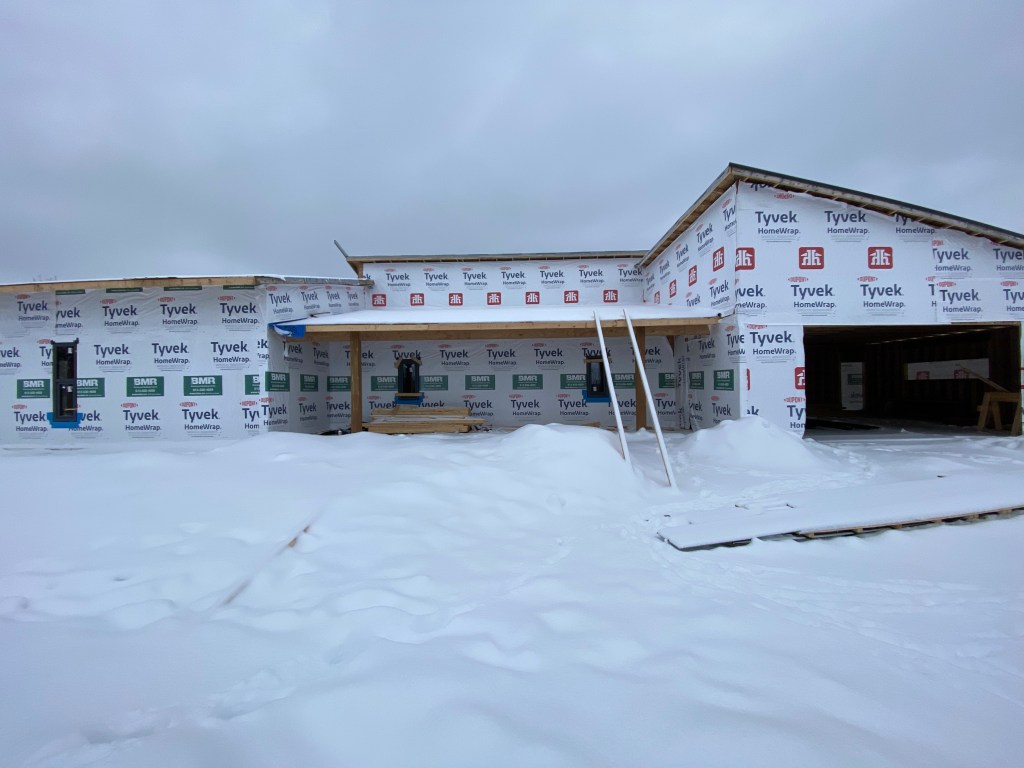
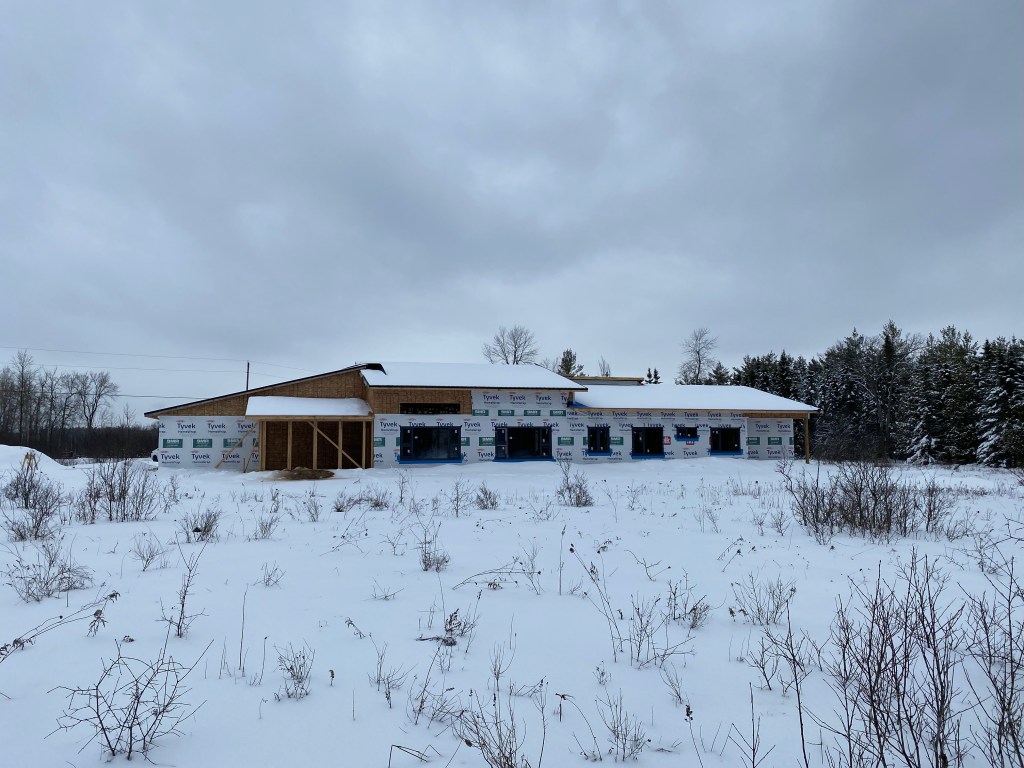
This week things have picked up again. Our current building theme is closing the house to the outside. The Tyvek weather barrier is (mostly) up and windows and doors are here! Unfortunately, they’ve had a rough journey – one door arrived in pieces, one window is missing and one has some damage. In retrospect, it may have been best to get them on site and inspected ASAP as now we’ll be waiting on replacements, though they should be on the next shipment to Canada. Thank goodness for warranties. So far, I am pleased with those that have arrived. Installation has started and most of the south-facing glazing is in. 

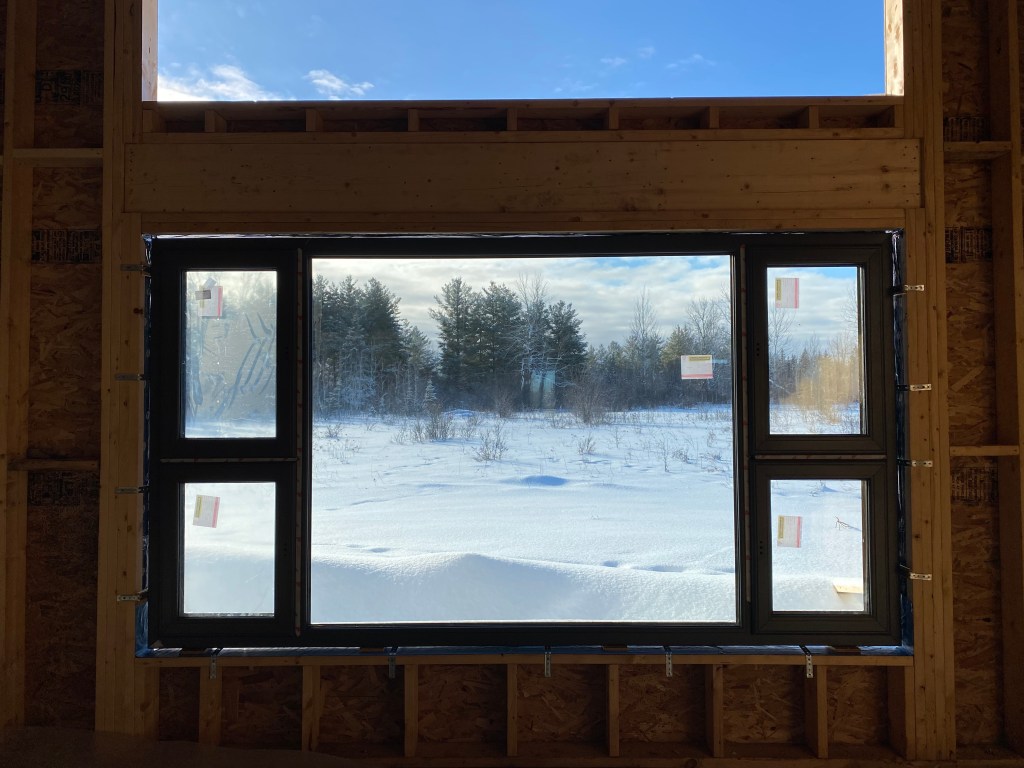
We bought our windows and exterior house doors from Klearwall, an American company that imports them from Ireland. The windows are certified for use in passive houses (they’re from the PassiV Futureproof UPVC line, as are the doors). Some of the features that make the windows high performance include:

  • Insulated frames with little compartments inside to reduce heat transfer (i.e., thermally broken)
  • Triple glazing with argon gas between panes
  • Low-emissivity coating to reflect heat, helping keep heat in the house in winter and out of the house in summer
  • Airtightness

The tilt and turn feature is neat and something we’re looking forward to; it allows the windows to be tilted open at the top or turned inward hinging on the side. One downside is that they don’t come with screens, which are apparently not common in Europe (I’m not sure why), so we’ll have to either get those specially made or hope there’s a This Old House video to show us how. Klearwall sent us clips to attach screens to the outside.

We had looked at windows from a few local companies, but the quotes we got for anything comparable in performance were at least twice as high. In fact, I regret that we didn’t order the garage window from Klearwall as well, which we left out thinking we’d save some money buying a standard double pane window locally. That turned out to be a poor assumption realized too late, as the Klearwall windows had a 6-month lead time. 

Our roof installation also started this week, but I haven’t been able to see it yet, as it was immediately covered in snow. I suppose we’re getting our money’s worth by putting it to use already. We chose a metal roof because we wanted something low maintenance with a long lifespan as we intend to install solar panels on top.

Roof, window, and door installation will continue this week and our house will begin to close in. Feeling industrious, I decided to begin moving the outdoors back out of the house. With recent mild temperatures, the caked-on mud on the floors has thawed and dried, so I did some (actually, a lot) of sweeping. You can almost see the floor again!

Framing Begins and Keeps Going

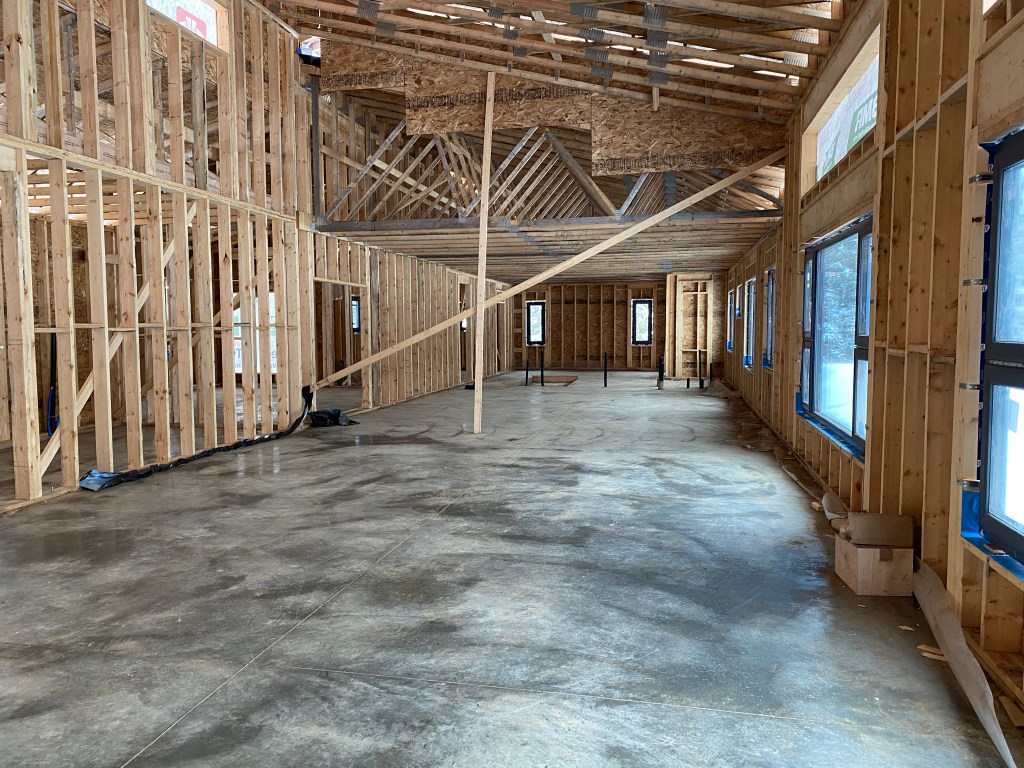
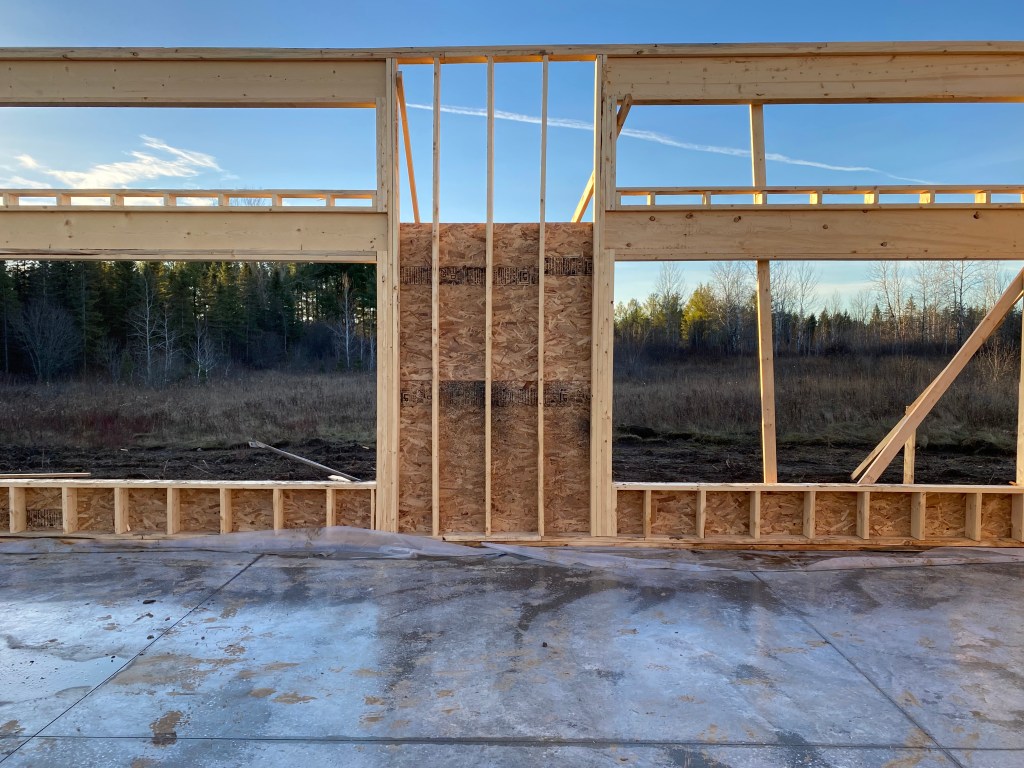
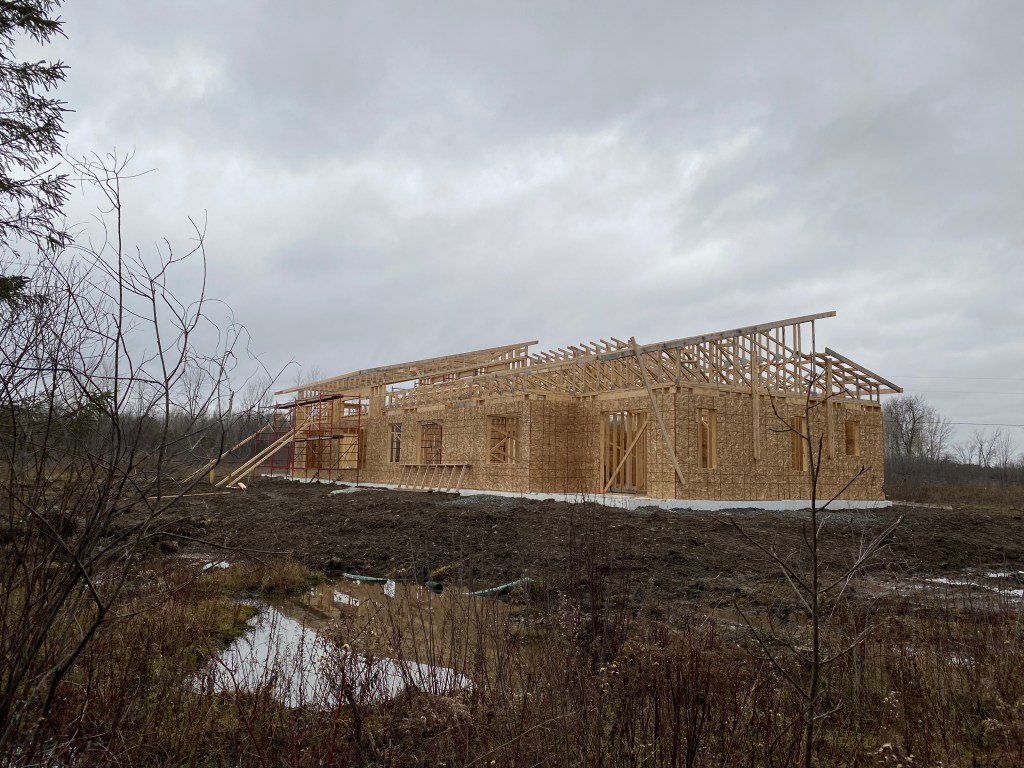
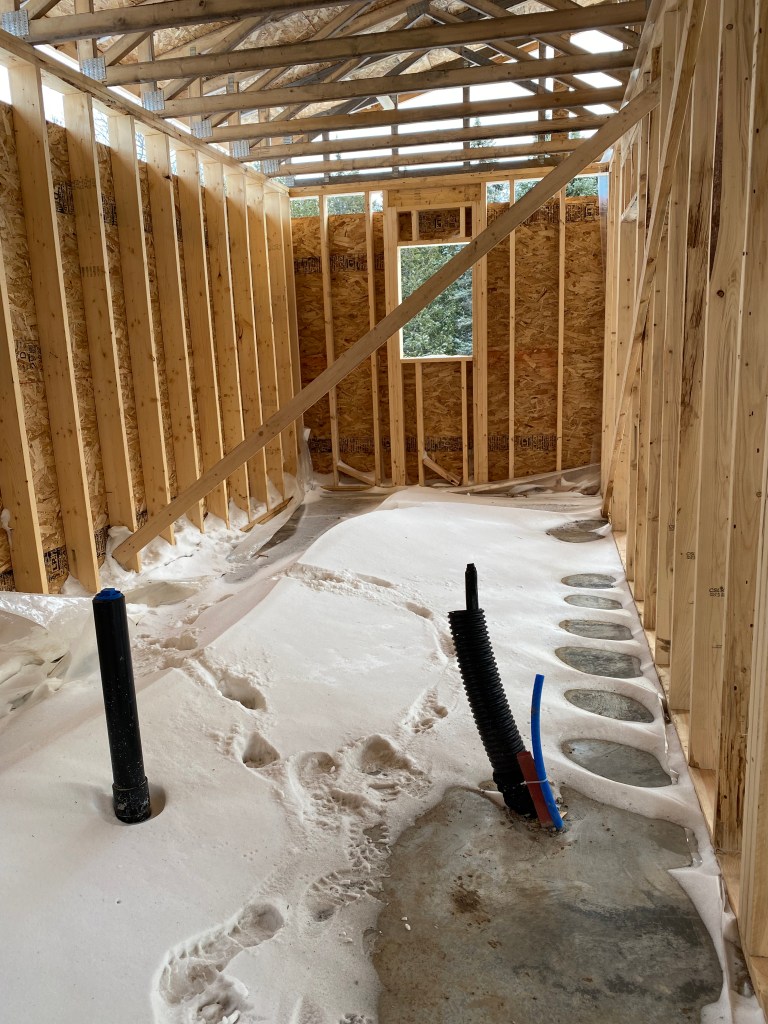
Framing has taken decidedly longer than expected. When work began at the end of October, we anticipated that it would take 3-4 weeks at most. Unfortunately, work has progressed slowly, there were missed days, and winter weather struck a few times. On the bright side, I’ve enjoyed seeing the house evolve when I stop by to clean up every few days. It’s very satisfying to see the rooms you envisioned take form and to gaze out newly framed views, picturing future you taking in the same scenes with a cup of tea in your finished home. I’ve also perfected my shovelling techniques and gotten lots of exercise digging out snow drifts inside our nascent home. Fingers crossed that this is the only time I have to do that in my life.
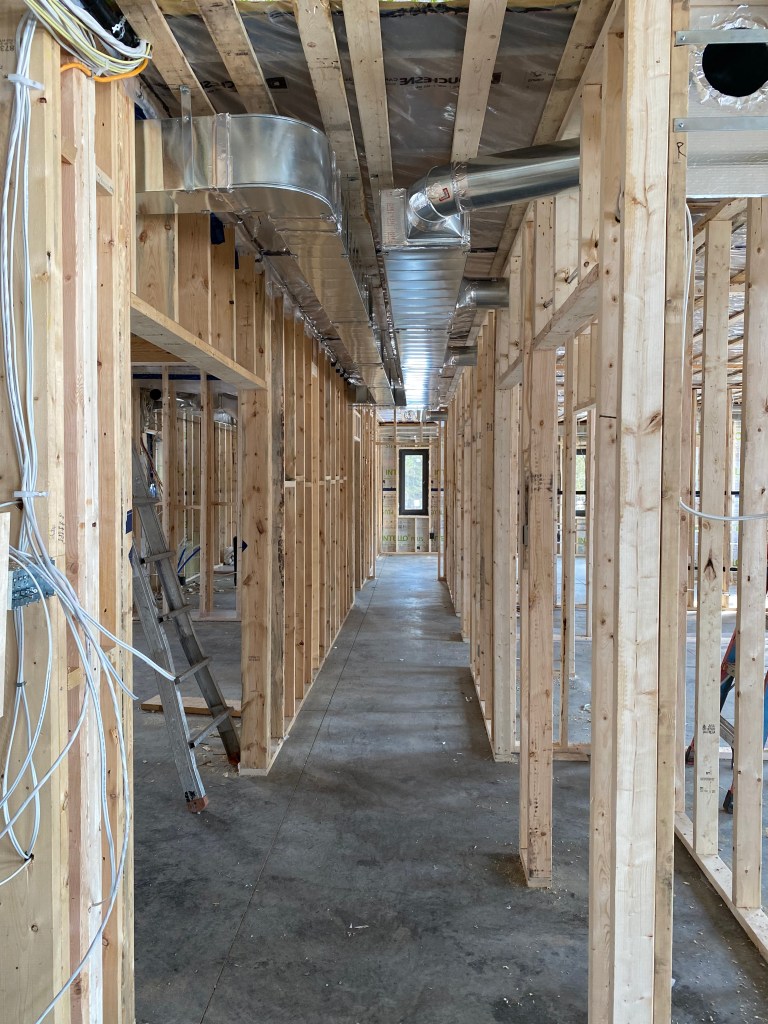
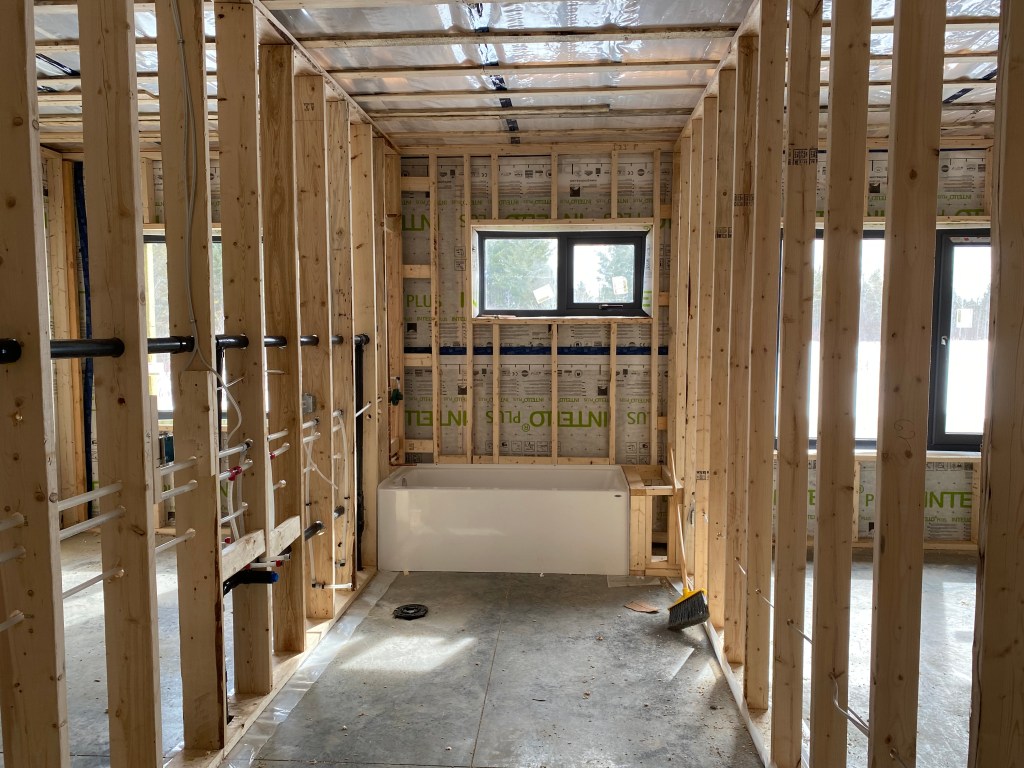
Our house will have double stud walls, making things a bit more complicated. After all the exterior walls are framed, a second wall will be built a few inches out along the interior perimeter. This wall, our mechanical wall, holds the plumbing and electrical wiring, allowing our house to be wrapped in a thick layer of continuous insulation. The walls should have an R value of 48 when all is said and done.

Our windows and doors have been waiting for us in Montreal for a few months now and I can’t wait to see them in place in the next few weeks, not least because they’ll keep the snow out! They were supposed to be delivered on site Friday, but there were some crossed wires, and the driver didn’t arrive until 4:30 pm, after the crew had packed up and left, so that will need to get sorted this week. 

After windows are installed, I’m told interior insulation comes next. Our roofers have also been raring to go for some time. It’s hard with a complicated project like this when one component holds up others. It also impacts our construction loan, which I’ll write about another time. For now, I’m basking in the winter view out my future kitchen window.

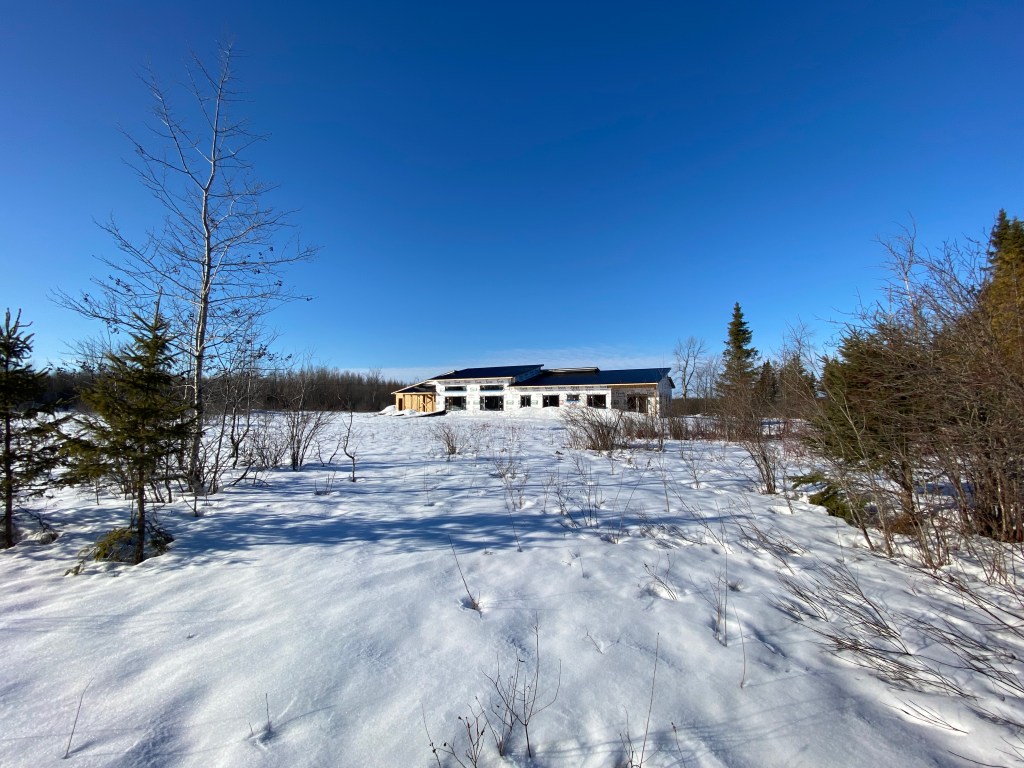
Image of sun shining on field covered in snow with forest in the distance
I’ll savour the winter view out the kitchen all the more when there’s an actual window in place and I’m cozied up by the fire.

The Foundation

After delays with excavation, we were excited to move on to the foundation and then framing where we would finally start to see our house take shape. 

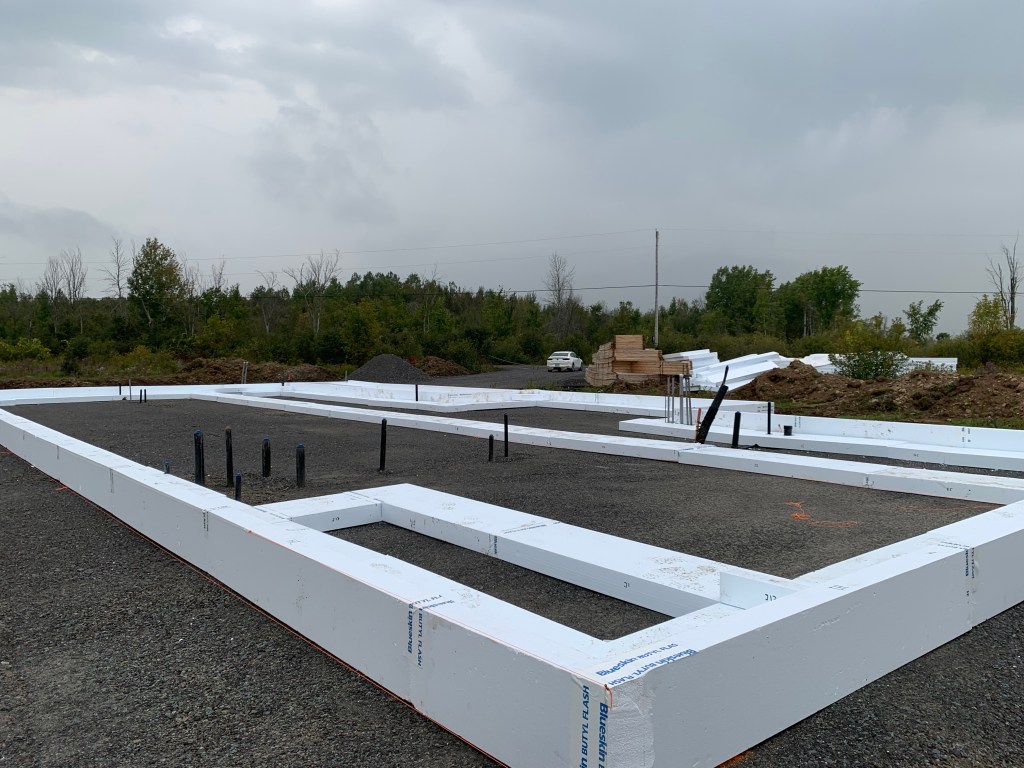
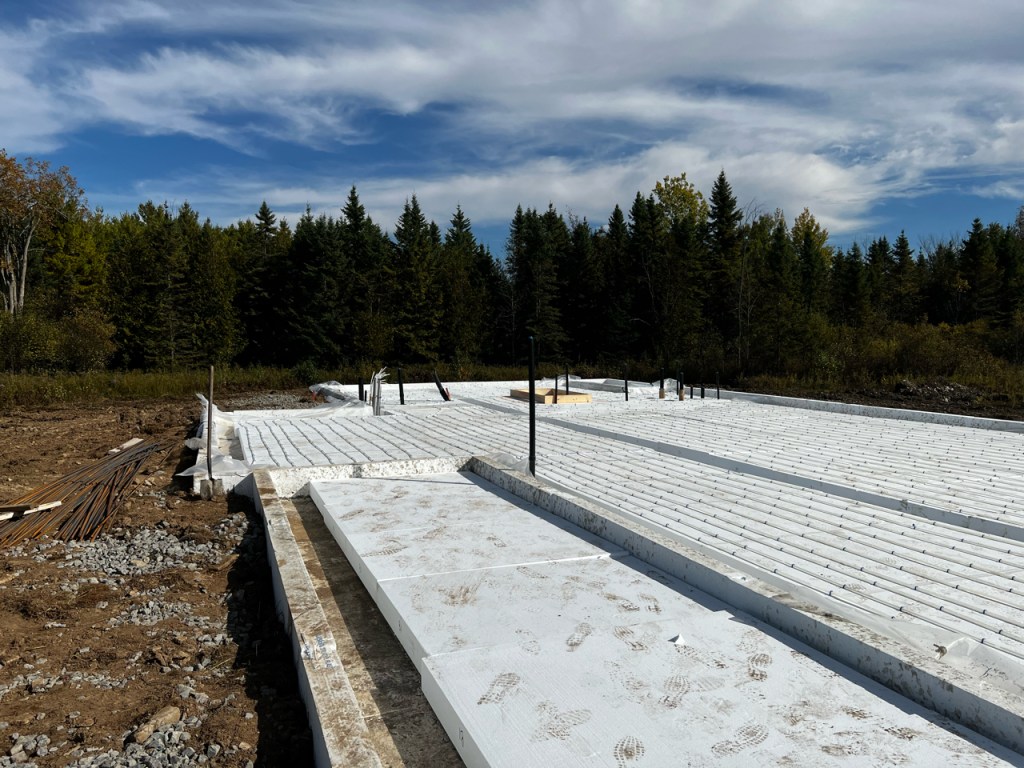
Foam for our foundation was delivered on a stormy day at the end of August, precipitating a mad dash to the site where we ran around in the mud getting everything under a tarp so it wouldn’t blow away in the wind. The foam was neat though, like Lego blocks that fit together in a tidy puzzle.

Our house is being built on a raft slab foundation. This type of foundation forgoes footings below the frostline and instead ‘floats’ on top of the ground. A thick layer of foam insulates the concrete slab against freezing and frost heave. Loops of drainage tile and grading around the slab move water away. Benefits were that we could avoid blasting through bedrock close below the surface and cost savings due to ease of installation. The slab designer didn’t quite get the design right, overlooking the need to insulate between the heated house slab and unheated porches to avoid thermal bridges but our project manager caught this and was able to correct it during install.

With the foam laid, next came install of tubing for in-floor radiant heat. My toes are excited for this feature. We had tubing laid in the garage to give us the option to add a manifold to heat that space in future.

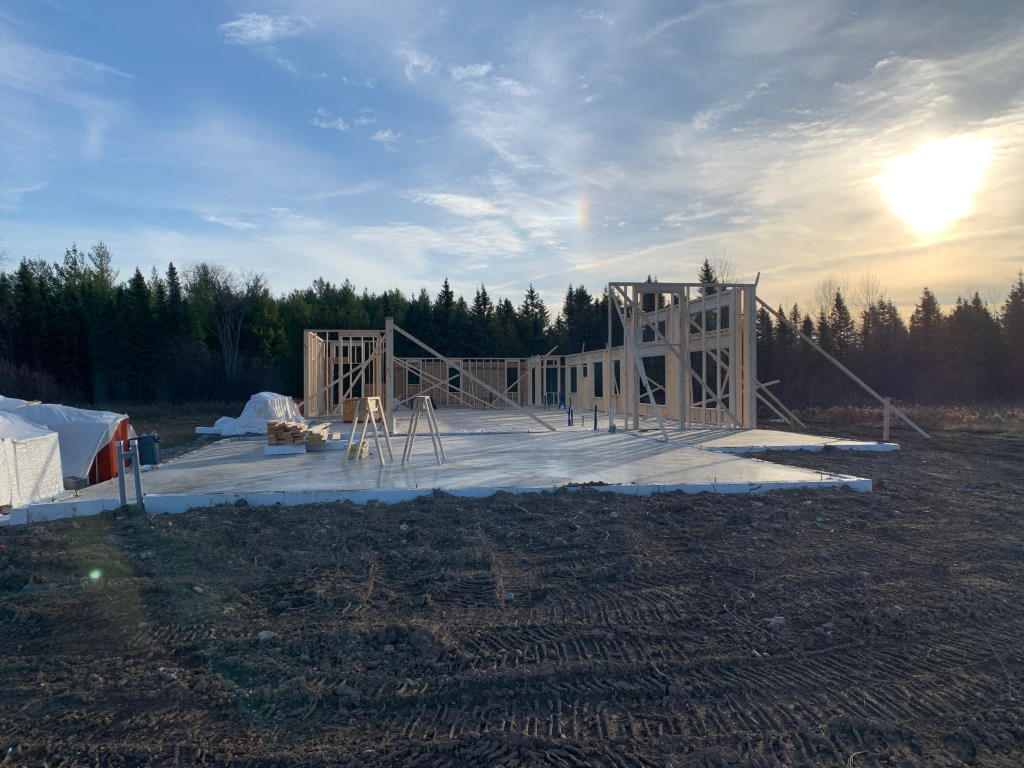
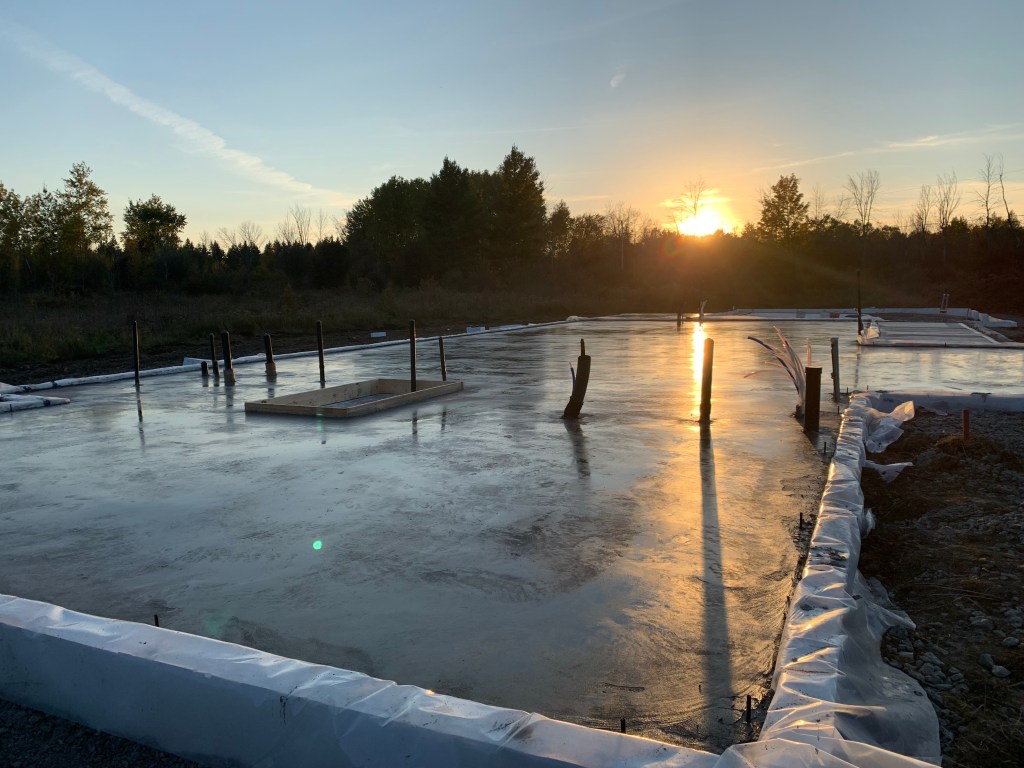
Things were moving along at a good clip when we hit our next little snag. A national cement shortage halted work for a few weeks while our project manager sourced cement for our pour. Luckily though, the wait wasn’t too long and the slab was completed by the beginning of October. A sealant was applied after the pour, which will need some touch ups toward the end of the build but this will be our finished floor. I thought it looked like the skating rink we’d cleared on the pond the winter before.

Foundation done we were ready for framing.