At the beginning of 2022, all our ducks were nearly in a row when we caused our own delays by rethinking our house design. It wasn’t a major change in the grand scheme of things, but we ultimately decided to go with our gut on two things weren’t quite sitting well with us. One was to bring our kitchen closer to our south-facing windows for more natural light and views and the other was to nix the idea of an unconditioned entryway – our architect had used in other projects but that we weren’t totally sold on it.
My take is that you shouldn’t have to work too hard to convince yourself that you can live with something, so if it bothers you, change it while you have the chance. Also, it’s best to feel sure by the time you submit for permits because things start to feel very real from that point. Designs done and dusted, we were ready to submit for permits at the end of May 2022.
There are a few approvals we needed to get before breaking ground on our house, including:
- Septic permit
- Private approach permit
- Building permit
Each of these needed supporting documents and had fees attached.
Septic Permit
Because we are building in rural area, we won’t have any connections to city services for sewage or water. This means we need to install a septic system and a well. In Ottawa, septic systems require a permit, which is issued by the Rideau Valley Conservation Authority (RVCA). To apply for a permit, you need a site plan showing your proposed system and a grading plan. We hired an engineer (our architect arranged this) to draw these up. We found placement of the house on the site seemed fairly arbitrary, so there was a lot of back and forth with the grading designer to make sure it was oriented properly and located where we wanted it.
We paid around $900 in application fees and had our permit issued by RVCA within about two weeks of applying.
Private Approach Permit
If you are installing a driveway in Ottawa, you need a private approach permit to connect to the City’s property. Inspections and approvals go through the Right of Way Permit Office. You need to provide your site plan showing your proposed driveway, an application fee ($182), and a $3,000 Right of Way damage deposit. You can apply for a refund of the damage deposit after the work is done, provided no repairs to City property were needed.
One inefficiency we found is that your building permit application must be submitted in person at a City of Ottawa Client Service Centre. This is also where you pay your ROW damage deposit. The private approach permit application and application fee, however, must be submitted separately to the Right of Way Permit Office, which can only be contacted via email. You email your application then wait for them to call you to collect payment.
The inspector texted me a picture of my approval within a few days of submitting my application, but it took another four weeks before I received a call back from someone to collect payment and issue the official permit. Perhaps some additional review takes place behind the curtain.
Building Permit
Building permits are issued by the City of Ottawa Building Department. This is a big package to pull together requiring a fair bit of coordination and includes:
- Your completed application form (architect completes most of this)
- Two hard copies of construction drawings reviewed and stamped by a structural engineer (architect created drawings and had them reviewed)
- Your septic permit, septic design and grading plan (completed by septic and grading designer, approved by RVCA)
- Your HVAC design (HVAC designer creates this)
- Your truss design (truss company designs this)
- If applicable: woodstove details, including manufacturer instructions for installation of stove and chimney
- A cheque for your building permit fee
- A cheque for your development fees
The building permit fee is calculated based on the total square footage of your house while the development fees are based on where you are located within the city. Our total development fees were about $20,000, which is at the low end for Ottawa.
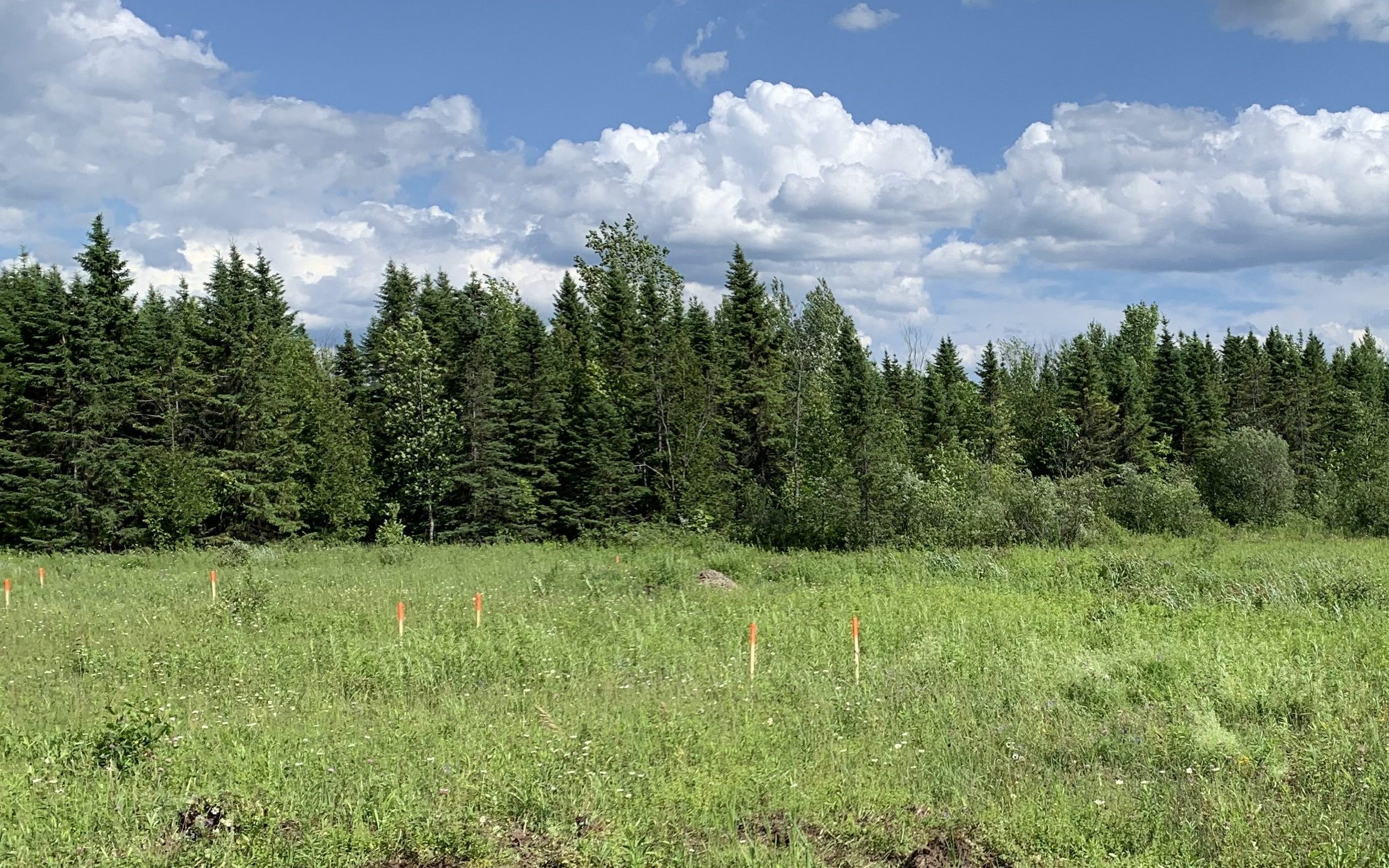
Once the package was submitted, the waiting game began. At the counter, the clerk said it takes about 10 days for a permit to be issued. Ours took about six weeks, which our architect and project manager assured us was quick compared to other projects they’d seen, particularly during pandemic times.
Once submitted, your application does the rounds around the building department and if there are questions, the reviewer sends you a formal letter (via email thankfully) requesting a response. We only received two questions. The one we could answer instantly and the other – a request for additional detail about posts on our porch – required us to get updated drawings from the structural engineer. In June 2022, we had the official green light to proceed! This was 13 months after closing on our land and starting our build planning.

 Marlborough Forest House